
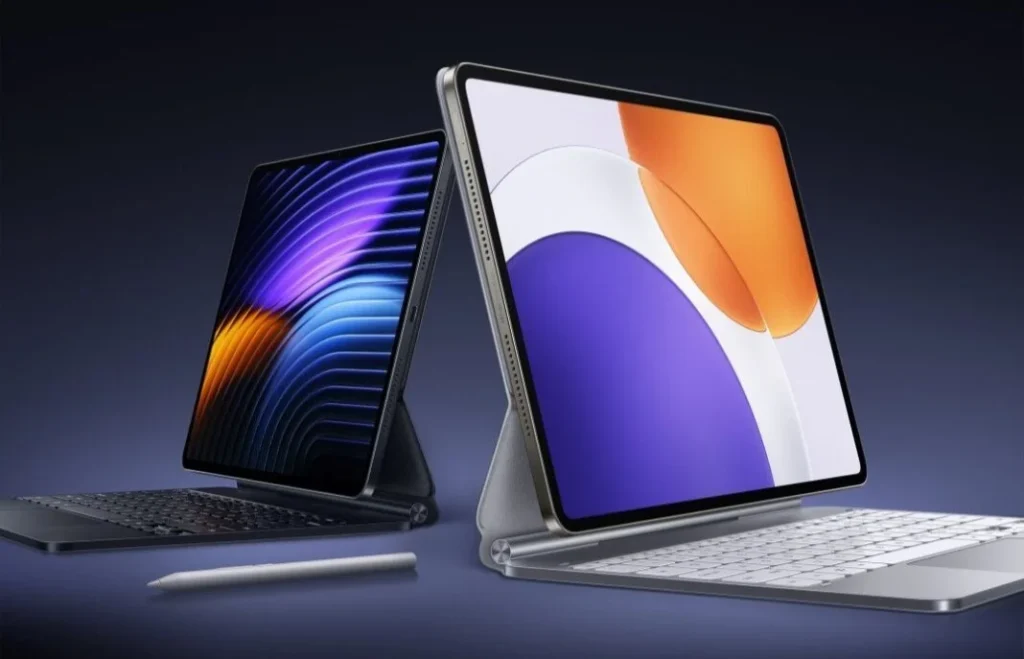
Chinese consumer electronics giant Xiaomi Corporation has confirmed a global unveiling of its new flagship devices — the Xiaomi Pad 8 & Xiaomi 17 Ultra India Launch Confirmed for February 28, 2026 — a coordinated product release that pairs a high-end camera smartphone with a productivity-focused tablet. The announcement signals Xiaomi’s strongest push yet into the premium electronics segment, an area long dominated by Apple and Samsung.
The event will take place simultaneously for international and Indian audiences, underscoring India’s growing importance in the global technology market.
Xiaomi Pad 8 & Xiaomi 17 Ultra
| Key Fact | Detail | Why It Matters |
|---|---|---|
| Launch date | Feb. 28, 2026 | Global synchronized launch |
| Device categories | Premium smartphone + tablet | Ecosystem expansion |
| Market target | Premium buyers & creators | Shift from budget brand |
Whether consumers adopt the new devices will depend less on specifications and more on trust. If Xiaomi can deliver reliable software updates and strong service support, analysts believe it could become a serious challenger in the high-end technology market.
Why This Launch Is Different
For years, Xiaomi built its reputation on affordable smartphones. However, rising competition in entry-level devices and slowing global smartphone growth have forced manufacturers to rethink their strategy.
The new release represents a shift from price-driven competition toward brand positioning and long-term ecosystem adoption.
“Smartphone markets worldwide are approaching saturation,” said technology analyst Tarun Pathak of Counterpoint Research. “Companies now compete on experience rather than hardware alone. Ecosystems — not just phones — drive customer retention.”
By launching the phone and tablet together, Xiaomi appears to be encouraging users to adopt multiple devices within the same software environment.
Xiaomi 17 Ultra: The Camera Becomes the Centerpiece
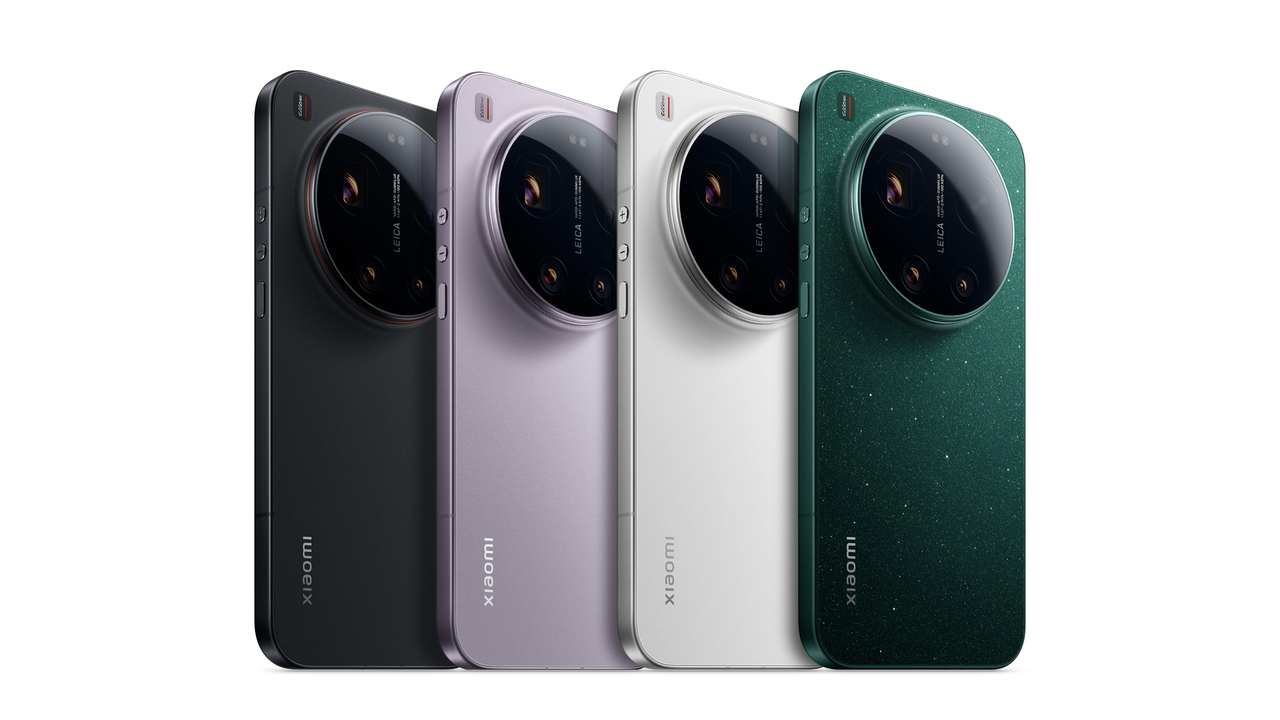
The Xiaomi 17 Ultra will serve as the company’s flagship smartphone and is designed primarily around photography performance.
A Changing Smartphone Category
Modern premium smartphones increasingly compete on camera technology rather than processor speed. Industry data from the Camera & Imaging Products Association shows dedicated camera shipments have fallen dramatically over the last decade as smartphones replaced consumer cameras.
Manufacturers now focus on:
- optical zoom lenses
- computational photography
- AI image processing
- video recording capabilities
The Xiaomi 17 Ultra is expected to feature a large image sensor and advanced zoom optics, positioning it as a tool for content creators.
Why Camera Phones Matter
Social media platforms, video creation, and online commerce have changed how people use phones. The device is now often the primary camera for journalism, business promotion, and education.
“People no longer carry separate cameras,” said mobile industry consultant Prabhu Ram. “A phone is now a production studio in your pocket.”
AI Photography and New Processing Capabilities
The upcoming generation of smartphones is also defined by artificial intelligence.
AI photography systems analyze scenes in real time, automatically adjusting exposure, color balance, and sharpening. Newer systems also:
- remove background distractions
- enhance low-light photos
- upscale zoom images
Industry researchers say the real competition in smartphones is shifting from hardware to software intelligence.
Xiaomi Pad 8: Tablet or Laptop Alternative?
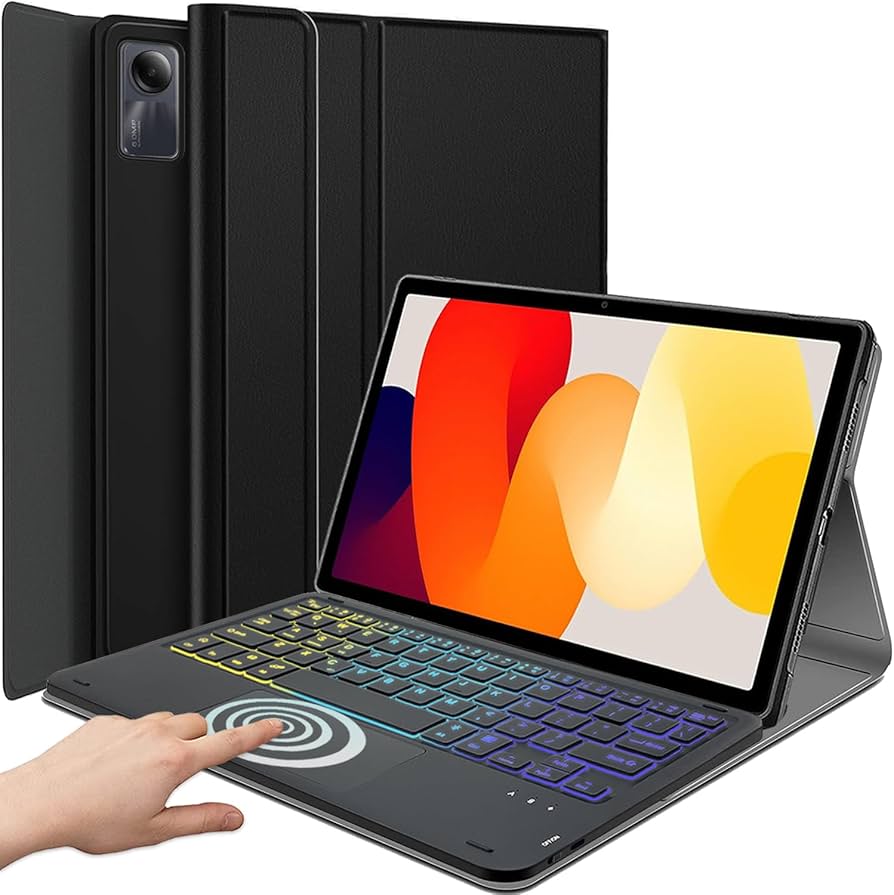
Alongside the smartphone, Xiaomi will introduce the Pad 8 tablet, which appears designed to function as a hybrid between a tablet and a laptop.
The Rise of Hybrid Computing
After 2020, remote work and online education dramatically changed computing habits. Consumers increasingly seek lightweight devices capable of productivity tasks such as document editing, presentations, and video meetings.
Market research firm IDC reports detachable tablets — devices that connect to keyboard cases — are one of the fastest-growing computing categories.
The Pad 8 supports:
- stylus writing and note-taking
- keyboard input
- multitasking windows
- cloud synchronization
This places it in competition with Apple’s iPad Air and Samsung’s Galaxy Tab S series.
Why India Is a Critical Market
India is now one of the largest smartphone markets in the world and one of the fastest growing for premium devices.
Several factors contribute to this shift:
- rising middle-class income
- education technology adoption
- content creation economy
- installment payment availability
Premium phone adoption in India has grown steadily over recent years, according to IDC shipment data.
Xiaomi’s decision to include India in a simultaneous launch highlights the country’s importance in future revenue growth.
Manufacturing and Supply Chain Context
India has also become an important manufacturing hub. The Indian government’s Production Linked Incentive (PLI) scheme encourages global companies to assemble electronics locally.
Xiaomi already produces many devices in India through contract manufacturing partners. Expanding premium production locally could reduce import costs and improve availability.
Analysts say this is part of a broader shift as companies diversify supply chains beyond China.
Competition With Apple and Samsung
The biggest challenge for Xiaomi is not hardware — it is perception.
Apple leads premium smartphone sales globally, while Samsung dominates Android’s high-end segment. Both companies rely on ecosystem lock-in: watches, laptops, tablets, and cloud services.
To compete, Xiaomi must convince users that:
- its software ecosystem is reliable
- devices work seamlessly together
- long-term updates are guaranteed
“Premium buyers value consistency and service,” said analyst Neil Shah. “Price alone does not win in this category.”
What Buyers Should Know
For consumers, the most important questions will be price and long-term support.
Potential advantages:
- advanced camera features
- larger batteries than competitors
- bundled accessories
Potential concerns:
- software update duration
- resale value
- service network reliability
These factors often influence premium buyers more than specifications.
What Happens Next
Final specifications, pricing, and availability will be announced during the live event. Devices are expected to reach stores shortly afterward.
Analysts say the launch could determine whether Xiaomi successfully transitions from a value-focused brand to a premium technology competitor.
“The company has the engineering capability,” Pathak said. “Now it must prove brand credibility.”
FAQ
When is the launch?
February 28, 2026.
Are both devices launching in India?
Yes, the release is simultaneous.
Who are the competitors?
Apple iPhone Pro series, Samsung Galaxy S Ultra, and iPad Air / Galaxy Tab S tablets.
Why is this launch important?
It marks Xiaomi’s attempt to enter the premium ecosystem device category.