
If you rely on a monthly government benefit, predictability matters. A single delayed deposit can disrupt your entire month. Groceries, prescriptions, and rent all depend on timing. Recently, many retirees and disability beneficiaries have been discussing the Social Security schedule change after noticing something unusual in their bank accounts. The Social Security schedule change is not reducing benefits, but it is changing when the money arrives, and that difference alone has created concern across fixed income households. What’s causing confusion is simple. Some recipients will open their bank statement and see no payment in a specific month. That naturally triggers panic. People assume a missed check or a benefit cut. The reality is less dramatic, but still important. The government is not skipping payments. Instead, the calendar is rearranging them, and in practice that can leave a gap of several weeks between deposits. For households that live month to month, that timing shift feels just as stressful as a lost check.
The Social Security schedule change happens when payment dates land on weekends or federal holidays. In those cases, the Social Security Administration issues payments early, usually on the last business day of the previous month. On paper, recipients still receive twelve payments a year. In real life, however, two deposits can arrive close together followed by a long stretch with no payment. For seniors, SSI recipients, and disability beneficiaries living on fixed income, this timing shift matters more than people realize. Budgeting becomes harder, automatic bills do not align, and the long gap between deposits can feel like a missing check even though it technically is not.
Social Security Schedule Change
| Key Detail | Information |
|---|---|
| Agency involved | Social Security Administration |
| Who is affected | SSI recipients and some Social Security beneficiaries |
| Reason for change | Payment dates falling on weekends or federal holidays |
| What happens | Payments issued early in prior month |
| Possible effect | Nearly two months between deposits |
| Benefit amount | Unchanged |
| Long term impact | Budgeting challenges for fixed income households |
The Social Security schedule change will continue in future years whenever the first day of the month falls on a weekend or federal holiday. This is not a rare occurrence. It happens periodically, and awareness is the best protection. Understanding the schedule allows beneficiaries to anticipate months with no deposit and budget accordingly. For millions of Americans who depend on Social Security, timing matters almost as much as the payment itself. A predictable plan can prevent panic and financial strain.
Why Some Recipients May Wait Months Between Checks
- The issue comes down to simple calendar math. Supplemental Security Income is normally paid on the first of every month. When the first falls on a Saturday, Sunday, or federal holiday, the government deposits the payment early.
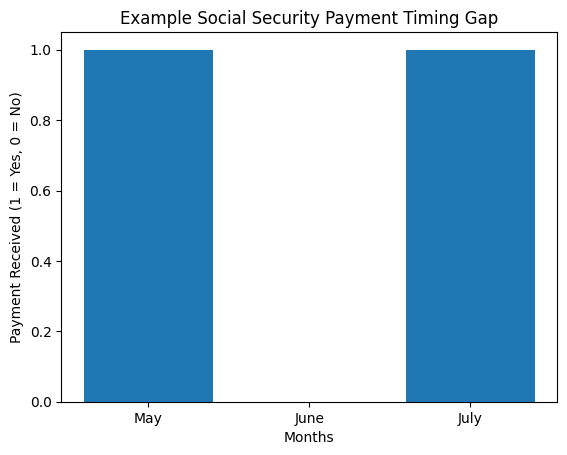
- Here is an example many people will recognize. If a payment is due June 1 and that date is a Sunday, the deposit may arrive May 30. May now shows a payment and June appears empty. The next deposit then arrives July 1. From the recipient’s point of view, the wait between deposits feels extremely long, sometimes close to two months. This Social Security schedule change is administrative rather than financial, but emotionally and practically it still affects daily life.
- The confusion happens because people organize their finances around calendar months, not technical accounting periods. When June arrives without a deposit, beneficiaries often assume a mistake has occurred. Phone lines at Social Security offices typically see a spike in calls during these months because worried recipients believe their benefits were interrupted.
Who Is Most Affected
The Social Security schedule change does not impact everyone equally. Some households barely notice, while others feel immediate pressure.
Supplemental Security Income Recipients
SSI recipients are affected the most because their payments always arrive on the first day of the month. They also tend to have the lowest income levels and the smallest savings cushions. Even a short disruption in timing can cause hardship.
Fixed Income Retirees
Many retirees rely entirely on Social Security retirement benefits. They carefully plan rent and utilities around their deposit day. When deposits shift, the bills do not move with them.
Disabled Individuals
People receiving disability benefits often face strict budgets. Many cannot supplement their income with work. The Social Security schedule change can leave them struggling to cover essential costs like transportation and medication.
Understanding The Regular Social Security Payment Calendar
Social Security retirement benefits are normally paid according to birth date.
- Birth dates 1st to 10th are paid on the second Wednesday
- Birth dates 11th to 20th are paid on the third Wednesday
- Birth dates 21st to 31st are paid on the fourth Wednesday
SSI payments are different. They are scheduled for the first day of each month. Because of that fixed date, SSI recipients experience the longest gaps whenever the calendar forces an early payment. The Social Security schedule change is therefore more noticeable for them than for standard retirement beneficiaries.
What The Change Does Not Mean
- Many online discussions have suggested the situation signals funding problems or benefit cuts. That is not accurate.
- Benefits are not reduced. Every recipient still receives the full yearly amount they are entitled to.
- Payments are not canceled. The number of annual deposits remains the same.
- No new law has been passed. The Social Security schedule change is simply a routine administrative adjustment that has happened before and will happen again whenever holidays interfere with the payment date.
Financial Challenges Created By The Gap
Even though the money is technically delivered, timing alone creates real problems.
Budget Disruption
People often see two payments in one month and assume they received extra income. They spend normally, then face a long wait before the next deposit. By the time rent and utilities come due, funds may already be low.
Banking Fees
A delayed deposit relative to bills can trigger overdraft charges or late payment penalties. For someone on a tight budget, even a small fee matters.
Essential Expenses
The most serious concern involves medication and food. Some seniors delay prescription refills or cut grocery spending during the long gap. This is where the Social Security schedule change becomes more than an accounting issue. It becomes a health risk.
Why The SSA Pays Early Instead Of Late
- The government must ensure benefits arrive on or before the due date. If a payment were issued late because offices were closed, it would be considered a missed benefit distribution. Therefore, payments are always moved earlier rather than later.
- Banks also do not process federal benefit payments on holidays. Issuing the payment early guarantees the funds are available when beneficiaries expect them. While this protects recipients legally, it unintentionally creates the extended gap.
How Recipients Can Prepare
The Social Security schedule change cannot be avoided, but preparation makes it manageable.
- Treat the early deposit as next month’s money. Many financial counselors suggest moving part of the payment to a separate account to prevent accidental overspending.
- Contact service providers about due dates. Utilities, phone providers, and even some landlords may adjust billing schedules if requested.
- Create a small emergency buffer. Even saving a modest amount regularly can cover food or medication during the long gap.
- Use a payment calendar. The Social Security Administration publishes annual schedules, and marking them ahead of time helps households plan.
Read More:-
HMRC Intensifies Inheritance Tax Scrutiny — What Every Executor and Beneficiary Must Know
FAQs
Will I lose a Social Security payment
No. You still receive twelve payments each year. The Social Security schedule change only shifts timing.
Why did I get two payments in one month
One of those deposits belongs to the following month but was issued early due to a weekend or federal holiday.
Which benefits are affected the most
Supplemental Security Income recipients typically experience the largest gap between deposits.
How can I manage the long gap
Budget carefully, adjust bill due dates when possible, and save a portion of early payments so funds last until the next deposit.