
Seedance 2.0 AI has rapidly spread across global social media platforms after its release in February 2026, drawing millions of views and sparking legal and ethical concerns. The video-generation system, developed by ByteDance, the parent company of TikTok, allows users to create realistic short films from text prompts, photos, and audio, raising new questions about creative ownership, misinformation, and the future of entertainment.
Seedance 2.0 AI
| Key Fact | Detail |
|---|---|
| Developer | ByteDance, owner of TikTok |
| Capability | Creates cinematic video from text, images, and audio |
| Controversy | Studios and rights holders warn about unauthorized likenesses |
| Impact | Considered a major step in generative AI video technology |
What Are Seedance 2.0 AI Videos?
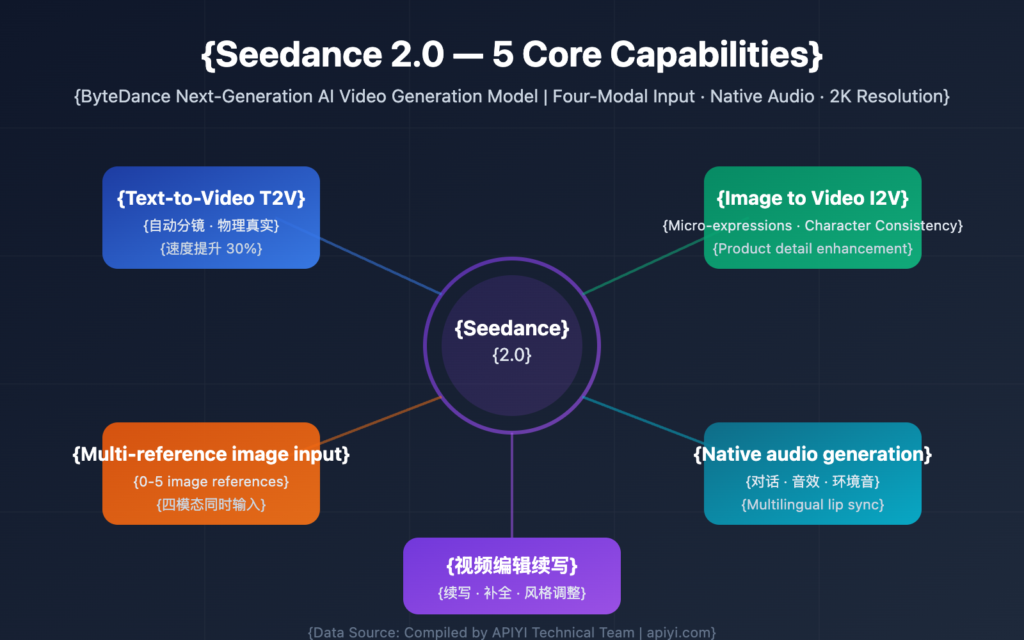
Seedance 2.0 AI is a generative artificial-intelligence system designed to produce short video clips automatically. Users can type a prompt, upload reference images, or provide dialogue. The system then generates scenes complete with motion, camera angles, and synchronized sound.
Technology analysts describe the model as “multimodal,” meaning it combines text, image, and audio inputs to produce a single coherent output. Unlike earlier tools that generated short looping animations, this system produces structured scenes resembling filmed footage.
Industry researcher Dr. Matthew Jensen of the Digital Media Lab at the University of California said the technology represents “a shift from AI assisting creators to AI performing most production tasks.”
“We are seeing the first software capable of replicating the technical language of cinema — framing, pacing, and narrative continuity — without a camera,” Jensen said.
The system belongs to a rapidly emerging category known as the AI video generator, software that attempts to simulate physical filmmaking through computational modeling of motion, lighting, and human expression.
Why the Videos Went Viral
The system gained attention because viewers often struggle to distinguish the videos from real footage. Creators quickly posted short films depicting futuristic cities, historical events, and fictional action scenes.
Online creators adopted the technology for:
- short-form entertainment
- advertising concepts
- social-media storytelling
- educational demonstrations
Media analysts say the platform’s viral spread mirrors early adoption patterns seen with image-generation AI tools but at a much faster pace due to video’s wider influence.
According to digital media consultant Karen Alvarez, the difference is psychological.
“People trust video more than images. When video realism collapses, public perception of reality changes,” she said.
Researchers also point to algorithmic distribution. Because platforms like TikTok prioritize engaging content, realistic AI videos spread rapidly through recommendation systems, accelerating adoption beyond traditional tech audiences.
Legal and Copyright Concerns
The rapid popularity of Seedance 2.0 AI videos has drawn scrutiny from film studios and actors’ organizations. Several rights holders have warned the company about potential unauthorized use of recognizable characters and celebrity likenesses.
Entertainment lawyers say the issue centers on two legal questions:
- training data sources
- digital impersonation
Hollywood labor groups, including performer unions, argue that generative video AI tools could reproduce actors’ appearances without consent. Intellectual-property specialists also warn the technology could complicate copyright enforcement.
David Klein, an attorney specializing in media law in New York, explained:
“The legal framework for photography and film assumed a physical production. These systems produce performances without performers, and the law has not fully caught up.”
Legal scholars note that courts may soon need to determine whether an AI-generated performance counts as a derivative work, a simulation, or a completely new creation.
A Turning Point for Social Media and Filmmaking
Experts say the emergence of Seedance 2.0 AI could change how content is produced online. The cost of making visual media — historically one of the largest barriers to entry — may decline sharply.
Independent creators may benefit from new creative tools, while traditional studios face new competition from individuals producing high-quality video content.
Advertising agencies have also shown interest, since concept commercials can now be created without full filming crews. Marketing firms report clients already requesting AI-generated mock advertisements before approving expensive shoots.
Economists describe the development as “creative automation,” a shift similar to when digital cameras replaced film photography.
Economic Impact on Creative Jobs
Labor economists say generative video AI could affect multiple industries simultaneously. Occupations potentially impacted include:
- video editors
- storyboard artists
- commercial production crews
- background actors
- visual effects technicians
However, new roles may emerge, such as prompt designers, AI creative directors, and synthetic media editors.
Professor Laura Chen, a media economics researcher, explained:
“Automation historically removes repetitive tasks but creates supervisory ones. The creative sector will likely change composition rather than disappear.”
Large studios may also adopt hybrid production models, combining real actors with AI-generated environments to reduce filming costs.
Misinformation and Deepfake Risks
Researchers studying misinformation warn that realistic synthetic video could complicate public communication, especially during elections or crises.
Dr. Alicia Patel of the Center for Information Integrity said the technology raises verification challenges.
“Deepfake technology used to require expertise. Now almost anyone can generate persuasive video,” Patel said.
Security analysts are particularly concerned about fabricated news events, fake public statements, or simulated disasters spreading online before verification occurs.
Governments are exploring verification frameworks, including digital signatures embedded directly into camera hardware and AI detection software.
Comparison With Other AI Systems
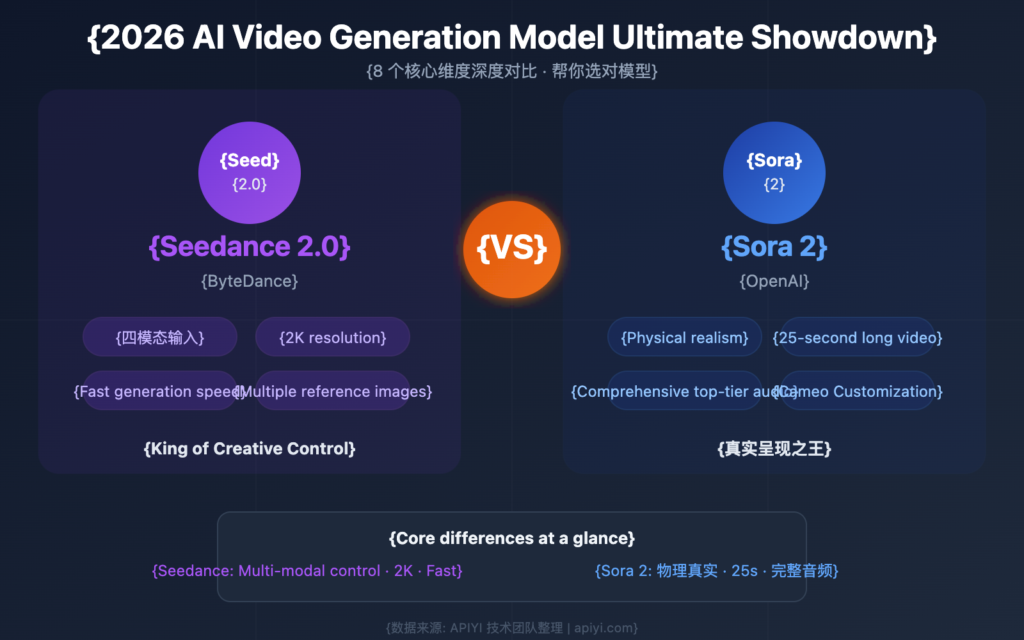
Seedance 2.0 AI enters a growing competition among major technology firms. Several companies are developing generative video AI systems, but they differ in capabilities.
Earlier AI systems:
- generated short looping animations
- struggled with consistent characters
- lacked synchronized audio
Newer systems:
- produce narrative scenes
- simulate physics and lighting
- include speech and sound
Researchers say the major breakthrough lies in temporal consistency — the ability for a character to remain visually stable across multiple frames.
Regulation and Government Response
Regulators worldwide are examining how to classify synthetic media. Policymakers in the United States, European Union, and parts of Asia are discussing rules for labeling AI-generated content.
Proposed policies include:
- mandatory disclosure labels
- criminal penalties for deceptive impersonation
- election-period restrictions
Technology policy experts believe video authentication may become as important as cybersecurity within the next decade.
Some lawmakers have suggested watermarking requirements similar to nutrition labels on food packaging, allowing viewers to immediately identify synthetic media.
Cultural and Psychological Impact
Psychologists studying media perception say the long-term effect may extend beyond entertainment. Historically, recorded video served as strong evidence of real-world events.
Generative video AI may change how societies evaluate proof.
Dr. Elena Ruiz, a cognitive media researcher, said:
“We are entering a period where visual verification is no longer automatic. People will need contextual verification, not just visual confirmation.”
Educators are already discussing digital literacy programs teaching students how to verify video authenticity.
Industry Response
ByteDance has stated it plans safeguards, including content detection systems and policies intended to prevent impersonation and misuse.
Technology policy specialists say future regulation could include:
- mandatory labeling of AI content
- consent protections for individuals’ likeness
- disclosure rules for political media
Governments in the United States, European Union, and parts of Asia are already drafting AI governance frameworks that could apply to generative video tools.
FAQ
Are Seedance 2.0 AI videos considered deepfakes?
Not always. Deepfakes specifically impersonate real individuals. Seedance 2.0 AI can create original fictional footage, but it can also be used to imitate real people.
Can filmmakers legally use the videos commercially?
That depends on copyright law and whether recognizable people, brands, or protected material appear in the generated footage.
Why is this technology important?
It significantly lowers the cost of producing professional-quality video content and may reshape social media, advertising, and entertainment.
Will AI replace movie production?
Experts say traditional filmmaking will likely continue, but AI tools may become a standard pre-production and visual-effects resource.
What Happens Next
Technology analysts say generative video AI will likely expand rapidly as competing companies release similar systems. Policymakers are now focusing on verification standards and intellectual-property protections.
As Professor Jensen noted:
“The question is no longer whether AI can make movies. The question is how society decides those movies should be used.”
The coming years may determine whether the technology becomes a creative tool, a regulated medium, or a contested legal frontier.