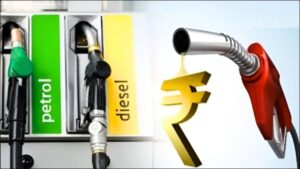

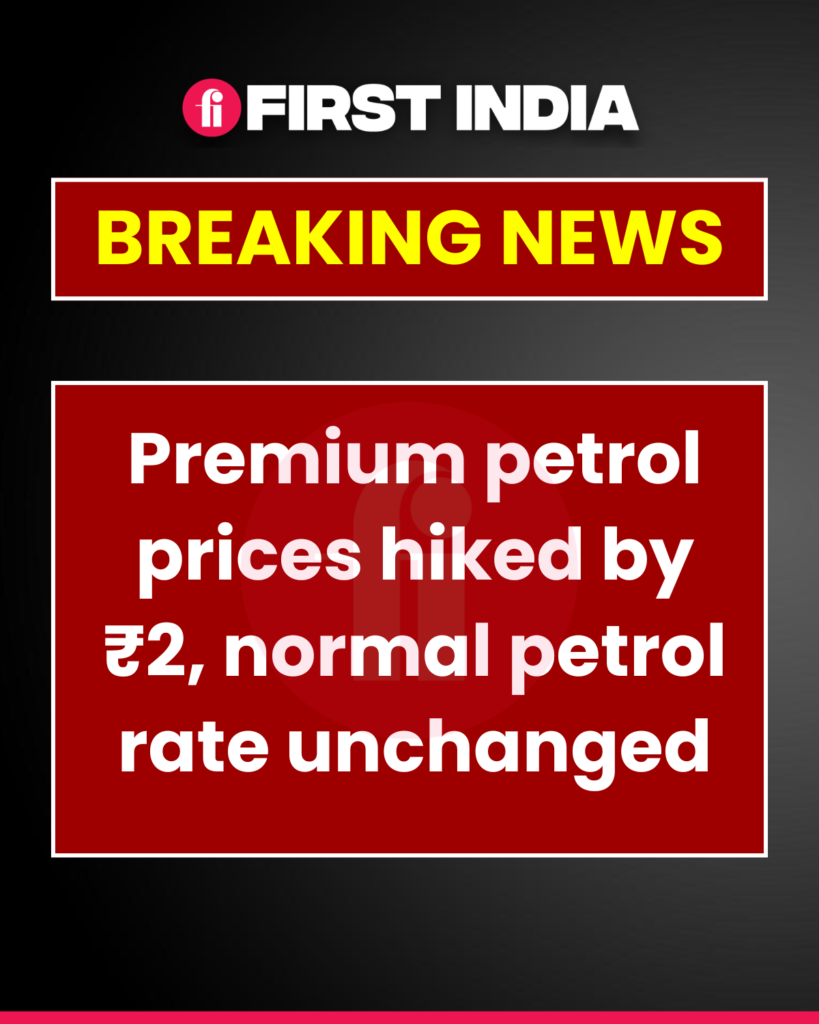
Fuel prices have always been a talking point in India, but every now and then, a specific change grabs more attention than usual. The recent premium petrol price hike has done exactly that. With a ₹2.35 per litre increase, many car owners are now rethinking their fuel choices. This premium petrol price hike might look small on paper, but when you factor in daily usage and long drives, the impact becomes quite noticeable. What makes this situation interesting is that not everyone is affected equally. While regular petrol users may not feel the change right away, those who depend on premium petrol are already seeing their monthly fuel expenses go up. The reasons behind this are not random. They are tied to global oil trends, production costs, and the way oil companies manage pricing strategies in a competitive market.
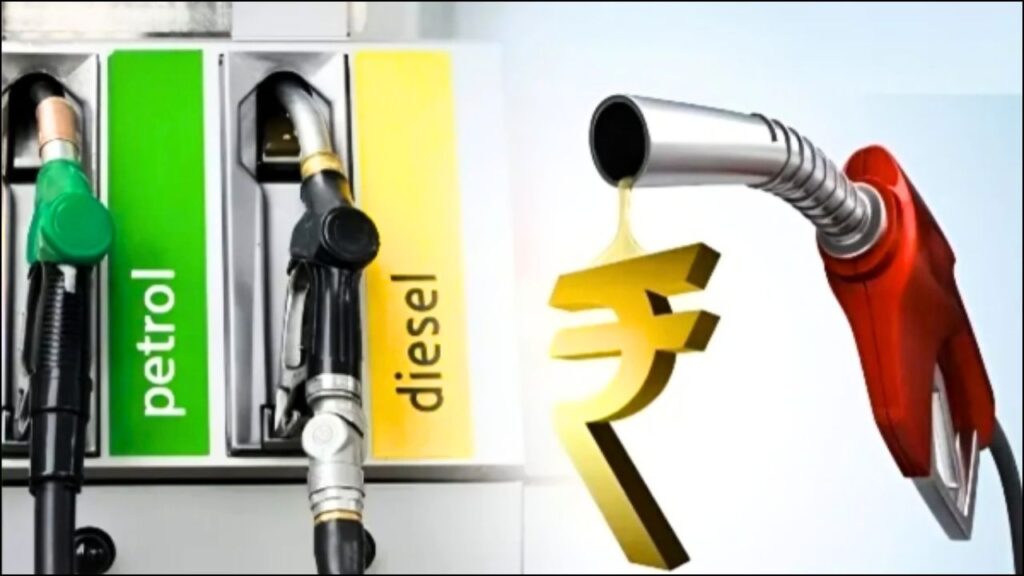
The premium petrol price hike of ₹2.35 per litre has been introduced by major oil marketing companies across different cities in India. Premium petrol, often sold under branded names, is designed for better engine performance and efficiency. This fuel contains special additives that help reduce engine knocking and improve combustion. Unlike regular petrol, premium variants are not as tightly controlled in terms of pricing. This gives companies more flexibility to adjust prices when costs increase. The premium petrol price hike reflects this flexibility, allowing companies to maintain their margins without disturbing the broader fuel pricing system.
Premium Petrol Price Hike
| Key Aspect | Details |
|---|---|
| Price Increase | ₹2.35 per litre |
| Fuel Type | Premium Petrol (high-octane variants) |
| Affected Areas | Multiple cities across India |
| Companies Involved | Major public sector oil marketing companies |
| Reason for Hike | Rising input costs, global crude trends, marketing margins |
| Impact on Consumers | Higher running cost for premium vehicle users |
| Government Role | Limited direct intervention compared to regular petrol pricing |
The ₹2.35 increase may seem minor at first, but it highlights how fuel pricing works behind the scenes. The premium petrol price hike is influenced by global oil trends, production costs, and strategic decisions by oil companies. While the impact is currently limited to a specific group of consumers, it offers a glimpse into future fuel pricing patterns. As demand for premium fuels grows and global conditions continue to shift, such price changes may become more common.
Why Premium Petrol Prices Were Increased
Rising Global Crude Oil Prices
- One of the main reasons behind the premium petrol price hike is the rise in global crude oil prices. India depends heavily on imported crude oil, so any change in international prices directly affects domestic fuel costs.
- In recent months, crude oil prices have remained unpredictable due to global supply issues and geopolitical tensions. Oil companies often adjust premium fuel prices more quickly because they have more control over them compared to regular petrol. This makes the premium petrol price hike a quicker response to rising costs.
Higher Refining and Additive Costs
- Premium petrol is not just regular petrol with a higher price tag. It includes additives that improve engine performance and reduce long-term damage. These additives are expensive and require advanced refining processes.
- As the cost of these materials increases, the overall production cost goes up. To balance this, oil companies introduce changes like the premium petrol price hike to cover expenses and maintain profitability.
Strategic Pricing by Oil Companies
Flexibility in Premium Fuel Pricing
- One important factor to understand is that premium petrol pricing is more flexible. Unlike regular petrol, which often comes under public and political scrutiny, premium petrol prices can be adjusted more freely.
- This flexibility allows companies to respond quickly to market changes. The premium petrol price hike is a clear example of how oil companies use premium fuels as a buffer to manage costs without affecting the general public.
Brand Positioning and Profit Margins
- Premium petrol is marketed as a high-quality fuel that offers better mileage and engine protection. Because of this perception, customers who use it are often less sensitive to price changes.
- Oil companies take advantage of this by maintaining higher margins on premium fuels. The premium petrol price hike helps them sustain these margins while continuing to promote premium petrol as a superior product.
Impact on Consumers
Increased Cost for Premium Vehicle Owners
- The most direct impact of the premium petrol price hike is on those who use it regularly. Owners of luxury and performance vehicles often rely on premium petrol for better efficiency and smoother performance.
- Even though ₹2.35 per litre may not seem like a big jump, it can lead to a noticeable increase in monthly fuel expenses, especially for daily commuters.
Limited Effect on General Public
- For the majority of people who use regular petrol, the immediate impact is minimal. However, the premium petrol price hike can still act as an early indicator of future trends.
- If global oil prices continue to rise, similar increases may eventually affect regular petrol as well.
Government’s Role and Policy Context
Deregulation of Fuel Prices
- India follows a deregulated pricing system for fuels, which means oil companies have the authority to set prices based on market conditions. Premium petrol falls more clearly under this system.
- This is why the premium petrol price hike was implemented without direct government involvement.
Tax Structure Remains Unchanged
- Fuel prices in India include a significant portion of taxes. However, in this case, the increase is not due to changes in taxes.
- The premium petrol price hike is mainly the result of higher base costs and company-level pricing decisions rather than government policy changes.
Market Trends and Future Outlook
Possibility of Further Increases
- Fuel prices are closely linked to global markets. If crude oil prices continue to rise, oil companies may introduce more price adjustments.
- The current premium petrol price hike could be just the beginning of a series of changes, depending on how the global situation evolves.
Growing Demand for Premium Fuels
- Despite higher prices, the demand for premium petrol is steadily increasing. Many modern vehicles are designed to perform better with high-octane fuel.
- This growing demand gives oil companies the confidence to continue offering premium petrol at higher prices, even after the premium petrol price hike.
Should You Switch to Premium Petrol?
When It Makes Sense
- If your vehicle is designed for high-octane fuel, using premium petrol can improve performance and engine life. In such cases, the benefits may outweigh the cost.
- Even with the premium petrol price hike, it can still be a good choice for certain vehicles.
When It May Not Be Necessary
- For most regular cars, standard petrol is more than enough. Using premium petrol may not provide significant benefits.
- In such situations, the premium petrol price hike makes premium fuel less practical for everyday use.
Read More:-
FAQs
1. What caused the premium petrol price hike?
The premium petrol price hike is mainly due to rising crude oil prices, higher refining costs, and strategic pricing decisions by oil companies.
2. How much has the price increased?
Premium petrol prices have increased by ₹2.35 per litre across several cities.
3. Is premium petrol necessary for all vehicles?
No, premium petrol is mainly beneficial for high-performance or luxury vehicles.
4. Will fuel prices increase further?
If global oil prices remain high, there is a possibility of further increases, including another premium petrol price hike.