
Malnutrition in India is not always visible, but its impact is deep and long‑lasting. A child who does not get proper nutrition in the first few years of life often struggles with immunity, learning ability, and overall growth. For years, the government tried to solve this with food distribution and welfare programs. Gradually, it became clear that nutrition problems are not caused only by food shortage. They are linked to awareness, feeding habits, hygiene, and timely health care. This is exactly why Poshan Abhiyaan Jan Andolan 2026 matters. Poshan Abhiyaan Jan Andolan 2026 moves the focus from only benefits to behavior change at the household level. Today, Anganwadi centres are not just food distribution points. They have become guidance centres where mothers learn about breastfeeding, child feeding, and basic health practices. Field workers visit homes, counsel families, and monitor children regularly. However, awareness alone cannot improve outcomes unless the services are properly tracked. That is where digital monitoring comes in.

The Poshan Tracker system records every service, ensuring that support reaches pregnant women, lactating mothers, and young children without delay. Poshan Abhiyaan Jan Andolan 2026 is designed as a people’s movement. Instead of depending only on officials, the campaign involves mothers, teachers, community leaders, and health workers. During Poshan Maah, villages and urban communities conduct awareness meetings, nutrition counselling sessions, anemia testing camps, and growth monitoring activities. Families are encouraged to cook balanced meals using affordable local ingredients and maintain hygiene at home. The Poshan Maah Tracker App supports this movement by helping anganwadi workers record beneficiary details, services provided, and community activities in real time. Officials at block, district, and state level can immediately monitor progress and identify areas needing attention.
Poshan Abhiyaan Jan Andolan 2026
| Key Component | Details |
|---|---|
| Scheme Name | Poshan Abhiyaan (National Nutrition Mission) |
| Campaign Approach | Jan Andolan (People’s Movement) |
| Main Focus | Reduce malnutrition, stunting, underweight and anemia |
| Target Groups | Children 0–6 years, pregnant women, lactating mothers, adolescent girls |
| Implementing Network | Anganwadi Centres under ICDS |
| Special Month | Poshan Maah |
| Digital Tool | Poshan Tracker / Poshan Maah Tracker App |
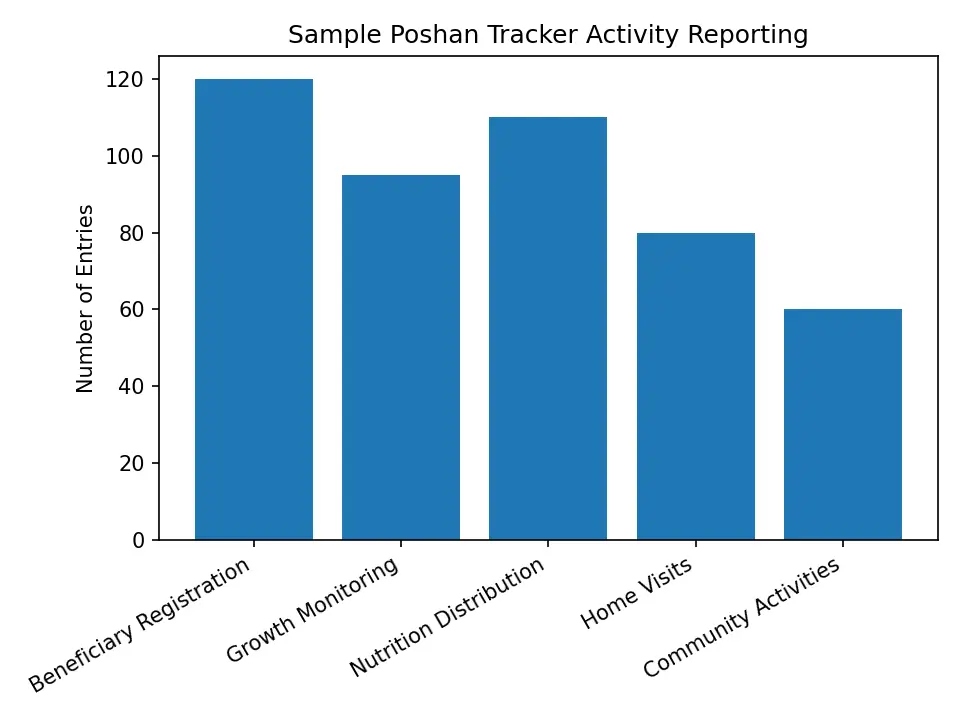
| Data Captured | Beneficiary registration, growth monitoring, service delivery, food distribution |
| Monitoring | Real‑time dashboards at administrative levels |
Poshan Abhiyaan Jan Andolan 2026 shows that nutrition improvement cannot be achieved through food distribution alone. Awareness, monitoring, and participation must work together. The Poshan Tracker App plays a crucial role by ensuring accurate and timely reporting from the field. When anganwadi workers regularly update records and families adopt healthy habits, real change becomes visible. Children grow healthier, mothers stay stronger, and communities become more informed. The campaign proves that lasting public health improvement begins not in offices but in everyday household practices.
What Is Poshan Abhiyaan?
- Poshan Abhiyaan is the Government of India’s flagship nutrition mission created to improve maternal and child health through coordinated action. It connects nutrition services, health checkups, sanitation awareness, and community participation under one system. The Poshan Abhiyaan Jan Andolan 2026 strengthens this by promoting daily healthy practices in households.
- At anganwadi centres, children are weighed and measured regularly. Pregnant women receive counselling about diet and antenatal care. Mothers are guided on early initiation of breastfeeding and exclusive breastfeeding for the first six months. Later, complementary feeding with soft home‑made foods is encouraged. These small daily habits significantly influence child development.
Objectives Of The Jan Andolan Campaign
- The campaign focuses on measurable health improvements. The key objectives include reducing child stunting, preventing underweight conditions, lowering anemia among women and adolescents, and improving hygiene practices.
- Workers conduct home visits to explain the importance of handwashing, clean drinking water, and balanced meals. They also advise families to include green vegetables, pulses, and seasonal foods in children’s diets. By spreading simple and practical knowledge, Poshan Abhiyaan Jan Andolan 2026 helps families make sustainable lifestyle changes.
Activities Conducted During Poshan Maah
Poshan Maah is the main awareness month of the campaign. During this period, anganwadi centres organize nutrition rallies, health camps, recipe demonstrations, and school awareness programs. Community members actively participate and learn through practical sessions rather than lectures. Recipe demonstrations are particularly effective. Mothers learn how to prepare nutritious meals using locally available grains, vegetables, and pulses. Growth monitoring camps allow parents to understand their child’s weight status. Hygiene awareness sessions teach the importance of handwashing before feeding children and after using the toilet. All these activities collectively strengthen Poshan Abhiyaan Jan Andolan 2026 at the grassroots level.
What Is The Poshan Tracker App?
- The Poshan Tracker App is a mobile‑based monitoring application used by Anganwadi workers and supervisors. It replaces paper registers and manual reporting. Through Poshan Abhiyaan Jan Andolan 2026, this digital platform improves transparency and speeds up decision‑making.
- The app records child growth data, maternal health information, home visit details, and nutrition distribution records. Supervisors can see the information instantly. If a child shows signs of malnutrition, health teams can intervene quickly instead of waiting for monthly reports.
- Another important benefit is accountability. Earlier, reporting delays were common due to paperwork. Now entries are time‑stamped and location‑based, making monitoring easier and more accurate.
How To Use The Poshan Maah Tracker App For Data Entry
1. Login And Profile Setup
After installing the application, the worker logs in using a registered mobile number and OTP. Centre details such as location and anganwadi code must be verified. Correct setup ensures data is linked to the right centre.
2. Beneficiary Registration
The worker enters details of children and mothers including name, age, address, and family information. Each entry creates a unique digital profile. This prevents duplication and ensures targeted benefits.
3. Growth Monitoring Entry
Children are weighed and measured periodically. The worker enters height and weight in the app. The system automatically calculates nutritional status and flags undernourished children. Early detection allows timely counselling and medical referral.
4. Service Delivery Reporting
Every service such as supplementary nutrition distribution, immunization support, and home visit is recorded date wise. Supervisors can review whether beneficiaries are receiving regular services.
5. Activity Reporting During Poshan Maah
Workers upload details of community meetings, awareness drives, and counselling sessions. Photos can also be uploaded as proof. This ensures that Poshan Abhiyaan Jan Andolan 2026 activities are properly documented.
6. Daily And Monthly Reports
The application automatically generates reports based on entries. Supervisors do not need to wait for paper records. This reduces errors and improves monitoring efficiency.
Common Issues and Practical Solutions
Many field workers initially face technical difficulties. Slow internet connectivity is one of the most common problems. In such cases, data can be entered offline and synced once the network becomes available. Another issue is incorrect data entry. Workers should always confirm names, age, and measurements before saving records. Even small mistakes can affect beneficiary tracking. Keeping a routine for daily updates helps prevent backlog. Phone battery drainage during field visits is also common. Carrying a power bank and completing entries immediately after measurement can solve this problem.
Tips For Seamless Data Entry
- Update records daily instead of weekly
- Verify beneficiary details before saving
- Sync data whenever internet is available
- Charge devices before field visits
- Enter measurements immediately after weighing children
Following these steps improves reporting accuracy and supports Poshan Abhiyaan Jan Andolan 2026 monitoring.
Role Of Community Participation In Jan Andolan
- The biggest strength of the campaign is community involvement. Mothers’ groups, school teachers, and local leaders spread awareness about nutrition and hygiene. Families begin to understand that good nutrition is not expensive. Simple practices like timely feeding, handwashing, and balanced meals can improve children’s health significantly.
- When communities actively participate, anganwadi workers receive support and families follow guidance more seriously. Over time, the program transforms into a social movement rather than a government activity.
Read More:-
FAQs
1. What is Poshan Abhiyaan Jan Andolan 2026?
It is a nationwide nutrition awareness movement that combines community participation with digital monitoring to reduce malnutrition among children and women.
2. Who uses the Poshan Tracker App?
Anganwadi workers, supervisors, and ICDS officials use the app to record beneficiary data and services provided.
3. What if internet is not available during data entry?
Data can be entered offline and synchronized later when connectivity becomes available.
4. How does the app help malnourished children?
The system identifies at‑risk children early so health workers can provide counselling, referrals, and nutritional support quickly.