
Across India’s expanding city edges, families still wake up early to store water before work or school. Buckets, tankers, and shared taps remain a daily routine even as nearby urban centers grow rapidly. The government’s new Peri-Urban Water Supply Schemes aim to change that reality by bringing safe, reliable household tap connections to communities on the urban fringe. By prioritizing treated water, pressure management, and local storage, the Peri-Urban Water Supply Schemes are designed to replace uncertainty with predictability and dignity. For residents, this is not just about convenience. It affects health, education time, and economic opportunity in areas that often fall outside both rural and municipal planning.
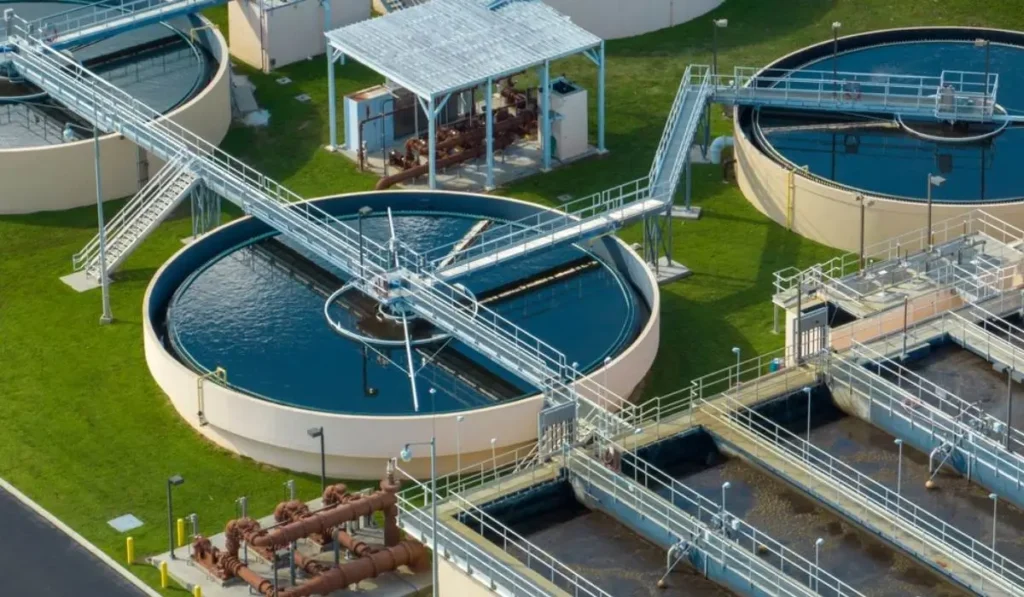
Peri-Urban Water Supply Schemes target settlements just beyond official city limits where services historically lag behind growth. These neighborhoods house workers, vendors, and families who live close to jobs yet remain disconnected from formal utilities. The programme introduces treatment plants, pumping stations, overhead reservoirs, and metered household connections so water reaches kitchens instead of community queues. In 2026, governments are increasingly linking such initiatives with sanitation and drainage upgrades, recognizing that safe drinking water and wastewater management must move together. For many urban fringe communities, dependable piped supply reduces tanker costs, improves hygiene, and supports small businesses that rely on steady water access. The schemes also support planned expansion of cities, allowing authorities to manage growth rather than react to unplanned settlements after they appear.
Peri-Urban Water Supply Schemes
| Component | Key Details |
|---|---|
| Target Areas | Villages & settlements on the outskirts of expanding cities |
| Beneficiaries | Low & middle income households, migrant communities & informal colonies |
| Water Source | Surface water, regional pipelines & protected groundwater sources |
| Infrastructure | Treatment plants, overhead tanks, pumping stations & metered connections |
| Funding Pattern | Shared by central & state governments & local bodies |
| Implementation Timeline | Phased rollout over 3 to 5 years |
| Delivery Mode | Household tap connections & community standposts where needed |
| Expected Impact | Reduced tanker dependence, improved sanitation & better public health |
Building pipelines is only the beginning. Long term success depends on maintenance, monitoring, and transparent billing systems. Regular inspections and community reporting will help utilities respond quickly to leaks and quality issues. Authorities are also exploring smart water meters that provide consumption data directly to service providers. If maintained properly, the programme can integrate growing settlements into organized urban systems. Clean water supports public health, productivity, and dignity. For thousands of families living at city edges, a tap connection represents stability and a safer future through sustained implementation of Peri-Urban Water Supply Schemes. Over time, such infrastructure also helps cities become more resilient to droughts and population growth.
Why Peri-Urban Areas Were Left Behind
Urban planning systems traditionally divide regions into rural villages or municipal wards. Communities growing in between rarely qualify for either category. As a result, urban fringe residents rely on private tankers, informal pipelines, or unregulated borewells. Over time, groundwater levels fall and water quality declines. Families often buy packaged drinking water for cooking while using untreated sources for cleaning. These gaps emerged because development expanded faster than administration. Housing colonies appear first, while formal roads, drainage, and utilities arrive years later. Authorities also struggle to determine jurisdiction. A settlement may technically fall under a village council even though it functions as a city neighborhood. Without official classification, municipal utilities cannot legally extend services. The Peri-Urban Water Supply Schemes address this structural gap by formally recognizing these settlements within planned infrastructure networks and ensuring they are counted in population and utility mapping exercises.
Infrastructure Components
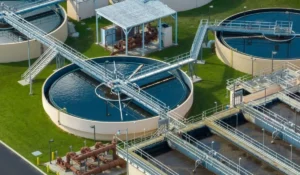
- The project combines several technical elements to maintain continuous supply. Water is drawn from protected sources such as rivers, bulk regional pipelines, or managed aquifers. Treatment plants remove bacteria and sediments before distribution. Chlorination and filtration processes ensure the water is safe for cooking and drinking.
- From treatment facilities, transmission mains carry water to elevated reservoirs. These overhead tanks maintain pressure so taps function even during peak hours. Smaller distribution lines connect streets and individual homes. Each connection includes a meter to track consumption and detect leakage. Engineers working on Peri-Urban Water Supply Schemes are emphasizing durable pipes and pressure control systems so treated water actually reaches households rather than being lost during transit.
- Modern monitoring tools are also being adopted. Supervisory control and data acquisition systems allow operators to monitor water flow and quality in real time. If a leak occurs, teams can respond quickly instead of discovering problems days later. This reduces both wastage and repair costs.
Funding and Implementation Framework
- Funding is shared between national authorities, state governments, and local bodies. Central support typically covers major capital investment while states supervise construction and regional water boards handle operations. Local administrations assist in identifying beneficiaries and coordinating public outreach.
- Implementation follows a phased plan: surveying households, preparing designs, acquiring land for tanks, installing pipelines, and testing supply quality. Many states now use digital dashboards to monitor construction progress and payments, helping improve transparency and accountability in large water infrastructure programmes connected to the Peri-Urban Water Supply Schemes initiative.
- Contractors must meet engineering standards before systems become operational. Independent quality audits verify pipe materials, joint strength, and water testing results. These checks are important because poorly built networks can fail within a few years, undermining public confidence.
Community Participation and Metering
Infrastructure works best when residents are involved. Local water user committees will help report leaks, prevent illegal connections, and encourage responsible consumption. Public meetings explain how billing works and how households can conserve water without sacrificing hygiene. Metered billing keeps charges affordable while discouraging waste. A basic quantity of water remains low cost, but higher usage carries slightly higher tariffs. This system supports maintenance and reduces system breakdowns. When communities understand the benefits, they are more likely to protect assets built under the Peri-Urban Water Supply Schemes. Awareness campaigns also highlight storage hygiene. Families are advised to clean rooftop tanks regularly and avoid cross connections between drinking water and wastewater lines. Simple behavioral changes significantly improve long term water safety.
Environmental Safeguards
- Authorities plan to reduce excessive groundwater extraction by prioritizing surface sources and encouraging rainwater harvesting in public buildings and community spaces. Recharge structures help replenish aquifers, while improved drainage prevents stagnant wastewater.
- Integrated wastewater treatment reduces contamination of ponds and fields and lowers mosquito breeding risks. Linking sanitation and drinking water planning ensures the long term sustainability of Peri-Urban Water Supply Schemes while protecting surrounding ecosystems. Environmental monitoring teams will periodically assess water bodies near project areas to ensure ecological balance is maintained.
Challenges Ahead
Large infrastructure projects always face practical hurdles. Land acquisition for reservoirs can delay timelines, and pipeline construction may temporarily disrupt traffic and daily life. Coordination among multiple departments also requires careful planning. Another challenge involves maintaining affordability. Tariffs must cover operations but remain accessible to low-income households. Governments are considering targeted subsidies and lifeline tariffs, so residents continue using treated supply instead of unsafe alternatives once the Peri-Urban Water Supply Schemes become operational. Authorities must also ensure consistent electricity supply for pumping stations because power interruptions can affect distribution schedules.
Expected Impact on Households
- The biggest change will be time savings. Women and children who once spent hours collecting water can focus on work and education. Reliable water improves hygiene practices, from handwashing to safe food preparation. Health experts expect fewer waterborne illnesses such as diarrheal infections and stomach disorders.
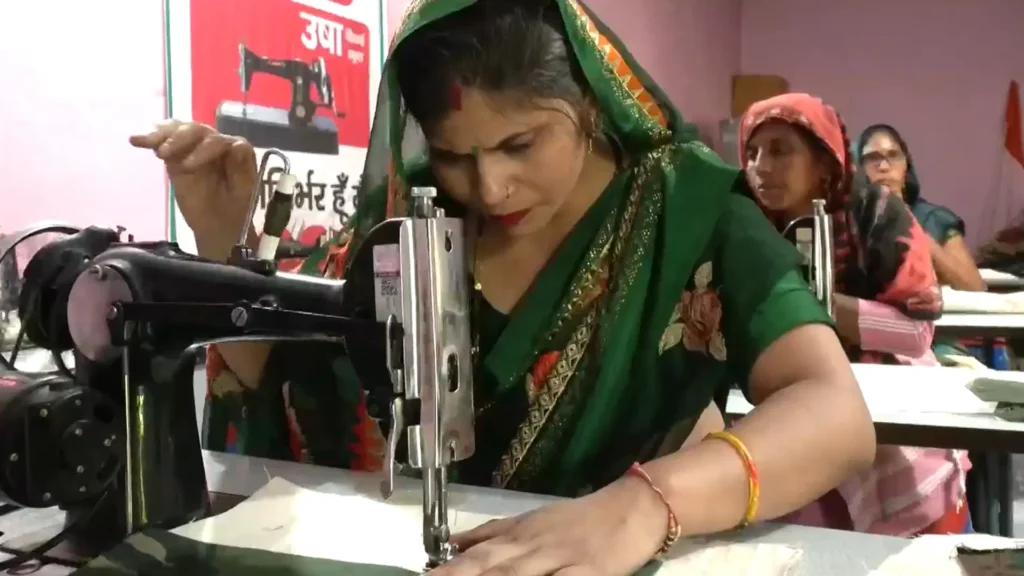
- Small businesses such as food stalls, tailoring units, and workshops can expand when dependable supply becomes available. Street vendors, for example, can operate without buying costly tanker water. Property values also rise when areas gain infrastructure, encouraging planned development in communities covered by the Peri-Urban Water Supply Schemes. Schools and health centers also benefit because sanitation facilities become easier to maintain.
Read More:-
Financial Protection Secured—Why CM’s Insurance and Health Schemes Are Being Hailed by Unions
FAQs
1. Who benefits from peri urban water projects?
Households in settlements just outside city limits, especially migrant and low-income communities, benefit from household tap connections and safer drinking water.
2. Will residents have to pay for the water connection?
Most schemes include a subsidized connection fee and low monthly charges for essential use, while higher consumption may be billed at a slightly higher rate.
3. How is water quality ensured?
Water passes through treatment plants where it is filtered and disinfected before distribution, and authorities regularly test samples for safety.
4. Are groundwater sources still used?
Groundwater may be used in some areas, but projects increasingly rely on protected surface water and recharge systems to prevent depletion.