
Nvidia Corp. is preparing a significant re-entry into the consumer PC market through a strategic partnership with MediaTek Inc. to develop high-performance AI Processors. The collaboration, which has entered its final validation phase as of February 2026, aims to dismantle the decades-old Intel and AMD “x86” duopoly. By introducing a new class of Windows-on-Arm laptops, the duo seeks to integrate high-end Blackwell graphics and trillion-parameter AI capabilities directly onto a single, power-efficient chip.
Nvidia Partners with MediaTek
| Key Fact | Detail |
| Project Names | N1 (Efficiency) and N1X (Performance) |
| Target Release | Q2 2026 (Announcements at GTC March 16) |
| Hardware Core | Arm v9.2 CPU + Blackwell GPU + 5th Gen Tensor |
| AI Performance | Up to 1,000 TOPS (FP4) / 45+ TOPS NPU |
| Primary Goal | 20+ Hour Battery with Desktop-Class Gaming |
The success of the Nvidia-MediaTek venture hinges on whether the 2026 software ecosystem is ready for an Arm-powered revolution. If Nvidia can provide the same “it just works” experience for gamers that they have for AI researchers, the traditional PC landscape will be forever altered. For now, all eyes are on the Nvidia GTC keynote in March for the official unveiling.
Nvidia Targets PC Market with “N1X” AI Processors
The new hardware, codenamed the N1 and N1X, represents Nvidia’s most aggressive attempt to move beyond its role as a discrete graphics card supplier. By partnering with MediaTek, a global leader in mobile silicon, Nvidia is developing a unified AI Processor that combines a central processing unit (CPU), a graphics processing unit (GPU), and a neural processing unit (NPU) into one package.
According to a report by The Wall Street Journal, these chips are based on Arm architecture, mirroring the strategy that allowed Apple’s M-series silicon to redefine laptop efficiency. This shift is intended to provide Windows laptops with all-day battery life without sacrificing the raw gaming power for which Nvidia is known.
Technical Deep Dive: The Blackwell Advantage
The flagship N1X chip is expected to leverage Nvidia’s latest Blackwell architecture, which was originally developed for world-class data centers. Leaked benchmarks from Geekbench and VideoCardz suggest the integrated GPU could rival the performance of a desktop RTX 5070, utilizing over 6,144 CUDA cores.
Architecture Specifications
- CPU Configuration: The N1X reportedly features a 20-core Arm v9.2 setup, split into two 10-core clusters. This “All-Big Core” design is optimized for heavy multitasking and creative workflows.
- Unified Memory: Unlike traditional PCs with separate RAM and VRAM, the N1X utilizes up to 128GB of shared LPDDR5X memory. This allows the GPU and CPU to access the same data pool at speeds up to 1,000 GB/s, drastically reducing latency in AI model training.
- AI Compute: Featuring 5th Generation Tensor Cores, the chip is capable of 31 TFLOPs of FP32 performance and up to 1,000 TOPS of FP4 AI compute.
The “DGX Spark” Connection: From Desktop to Laptop
The partnership is an evolution of the Nvidia DGX Spark, a personal AI supercomputer launched in late 2025. Co-designed with MediaTek, the DGX Spark utilized the GB10 Superchip, which serves as the architectural blueprint for the consumer N1X.
“The GB10 collaboration builds on MediaTek’s work with Nvidia across multiple verticals,” said Vince Hu, Corporate Vice President of MediaTek’s Data Center and Compute Business Group. “It utilizes our high-performance computing expertise for the data center in combination with our power savings technologies for consumer devices.”
By miniaturizing this “superchip” for laptops, Nvidia is effectively bringing data-center levels of AI processing to the “edge”—meaning users can run massive 200-billion-parameter AI models locally on their laptops without an internet connection.
Market Disruption: Challenging the x86 Duopoly
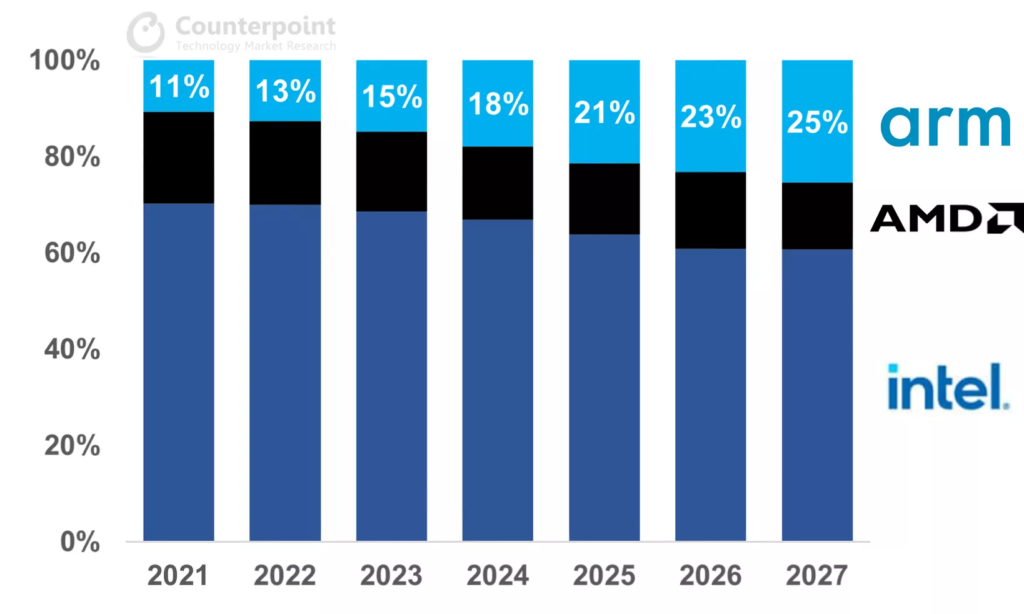
The PC industry is currently witnessing its most volatile period since the 1990s. For decades, Intel and AMD have controlled the market through the x86 instruction set. However, the rise of “AI PCs” has opened a window for Arm-based chips from Qualcomm, Apple, and now Nvidia.
The Competitive Landscape
- Intel: Recently launched its Core Ultra Series 3 (Panther Lake), claiming up to 27 hours of battery life and a 50 TOPS NPU.
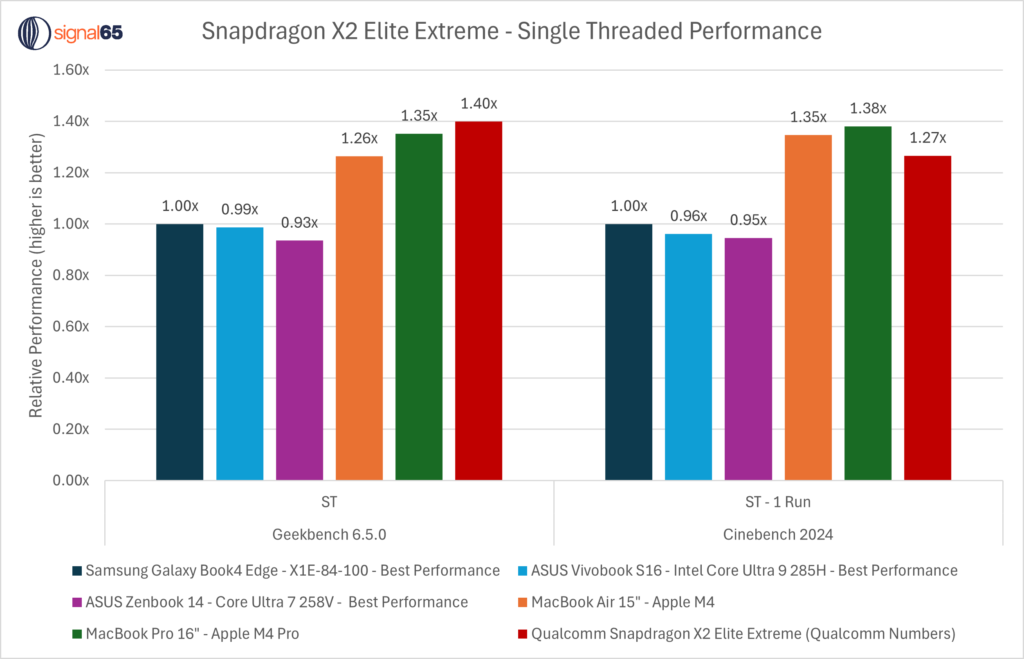
- Qualcomm: Its Snapdragon X2 Elite Extreme remains a formidable rival, boasting an 80 TOPS NPU designed specifically for Windows Copilot+ features.
- Apple: The M4 and M5 series continue to lead in performance-per-watt, though Nvidia’s Blackwell graphics may finally tip the scales for gamers.
“Nvidia isn’t just selling a chip; they are selling an ecosystem,” noted an analyst from Futurum Group. “By bringing CUDA—the software language of AI—to consumer laptops, they are ensuring that every developer who builds AI in the cloud will want an Nvidia-powered laptop to test their work.”
Laptop Lineup: Who is Shipping “Nvidia Inside”?
Major manufacturers are already deep into development for the “Spring 2026” rollout. Leaked support pages and shipping manifests have confirmed at least eight initial devices.
| Manufacturer | Confirmed/Leaked Models | Target Audience |
| Lenovo | Legion 7 (N1X), Yoga Pro 7, IdeaPad Slim 5 | Gamers and Prosumers |
| Dell | Alienware m16 R4 (N1X), XPS 16 Premium | Hardcore Gamers and Executives |
| ASUS | ROG Flow X13 (2026 Edition) | Ultra-portable Enthusiasts |
| HP | Spectre x360 AI Edition | Premium Productivity |
The Lenovo Legion 7 is of particular interest to the industry, as it represents the first true “thin-and-light” gaming laptop that does not require a massive power brick to maintain high frame rates in games like Cyberpunk 2077 or GTA VI.
The Critical Hurdle: Software and Linux Support
While the hardware looks world-class, the biggest question mark remains Windows-on-Arm compatibility. Historically, Arm-based Windows PCs have struggled with:
- Gaming Anti-Cheat: Kernel-level drivers for games like Valorant often fail to run on Arm.
- Emulation Overhead: Running old x86 apps can slow down performance by 20-30%.
Nvidia plans to address this through its “battle-tested” driver stack. Unlike Qualcomm, Nvidia has years of experience maintaining Arm drivers for its automotive and data center businesses. Furthermore, industry insiders suggest Nvidia will offer robust Linux support, making these laptops highly attractive to the developer and open-source communities.
Strategic Significance: A Long-Term Play
Nvidia’s re-entry into the PC market is also a hedge against geopolitical and economic shifts. With 150 million laptops sold annually, the consumer market offers a massive secondary revenue stream should data center demand eventually stabilize.
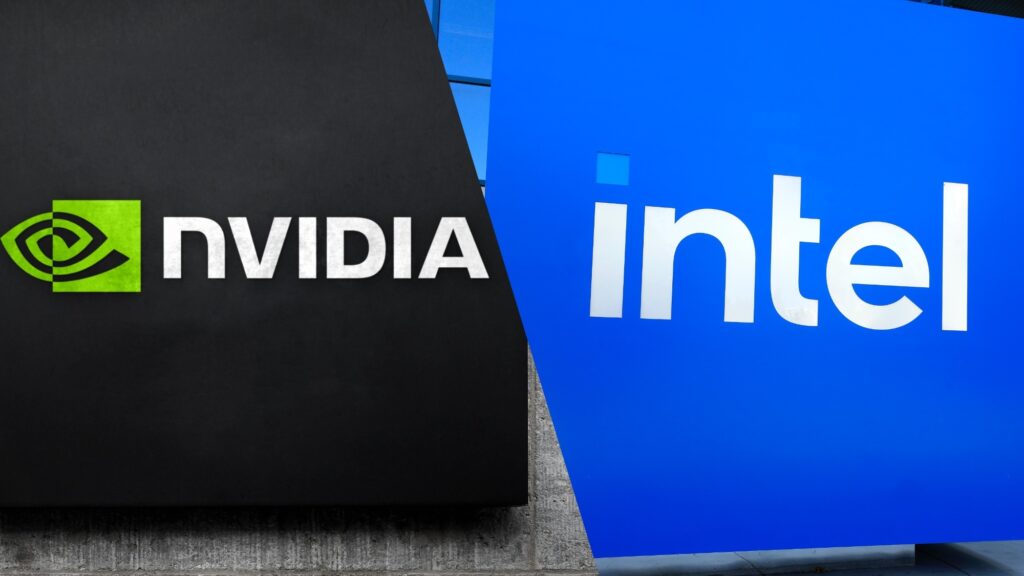
“Nvidia CEO Jensen Huang has acknowledged the opportunity is too large to ignore,” reported The Times of India. The company is even pursuing a dual-track strategy: a $5 billion partnership with Intel to pair x86 CPUs with Nvidia graphics, ensuring they win regardless of which architecture the market ultimately prefers.
FAQ
What is an “AI Processor” exactly?
In the context of the N1X, it is a single chip that houses the brain (CPU), the graphics (GPU), and a specialized AI engine (NPU). This “All-in-One” design is what allows for high performance with very low power consumption.
Can the N1X run AAA games at 4K?
While it is powerful, it is designed for laptops. Early leaks suggest it will comfortably run modern AAA games at 1440p with high settings, or 4K using Nvidia’s DLSS 4 AI upscaling technology.
Will my old Windows apps work?
Most apps will run through “Prism,” Microsoft’s emulation layer. However, apps that have “Native Arm” versions (like Adobe Creative Cloud, Chrome, and Office) will run much faster and use less battery.