
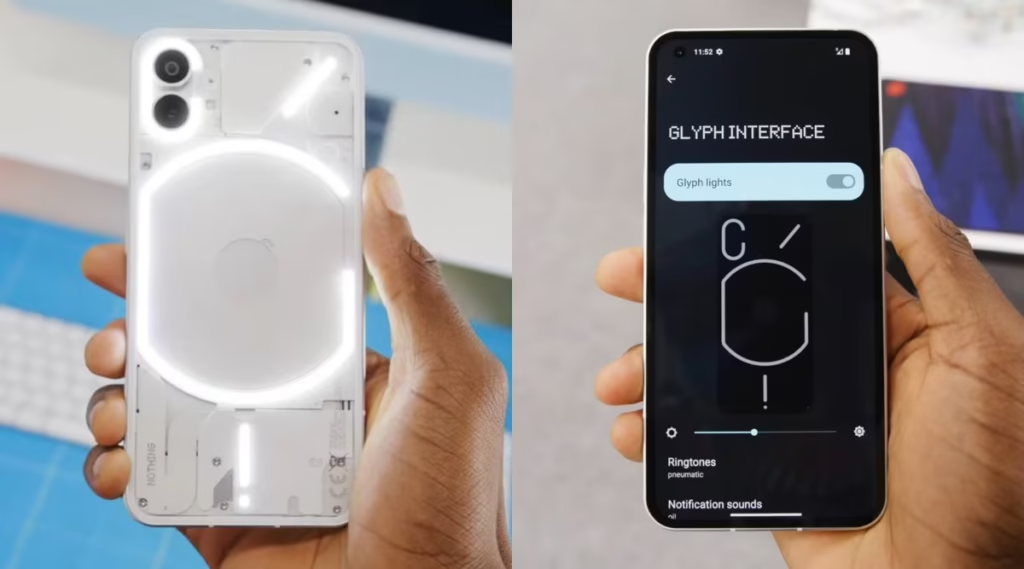
The Nothing Phone 4a is expected to launch in early 2026, and previews indicate the company may replace its recognizable Glyph Interface lighting with a simpler LED notification system. The decision marks a strategic shift for the young smartphone maker and highlights wider industry pressures to balance distinctive design with cost, battery efficiency, and mainstream consumer appeal.
Nothing Phone 4a
| Key Fact | Detail |
|---|---|
| Expected launch | Early March 2026 |
| Design change | Simplified LED notification system |
| Market category | Mid-range smartphone market |
The company has not yet released final pricing or complete specifications. Industry observers say consumer reaction after launch will likely determine whether simplified notification lighting becomes a permanent direction or an experimental transition for future devices.
What the Nothing Phone 4a Is — and Why It Stands Out
Nothing Technology Ltd., founded by Carl Pei, a co-founder of OnePlus, positioned itself as a design-focused consumer electronics brand. Its smartphones gained global attention because they looked different from competitors rather than because they offered dramatically higher performance.
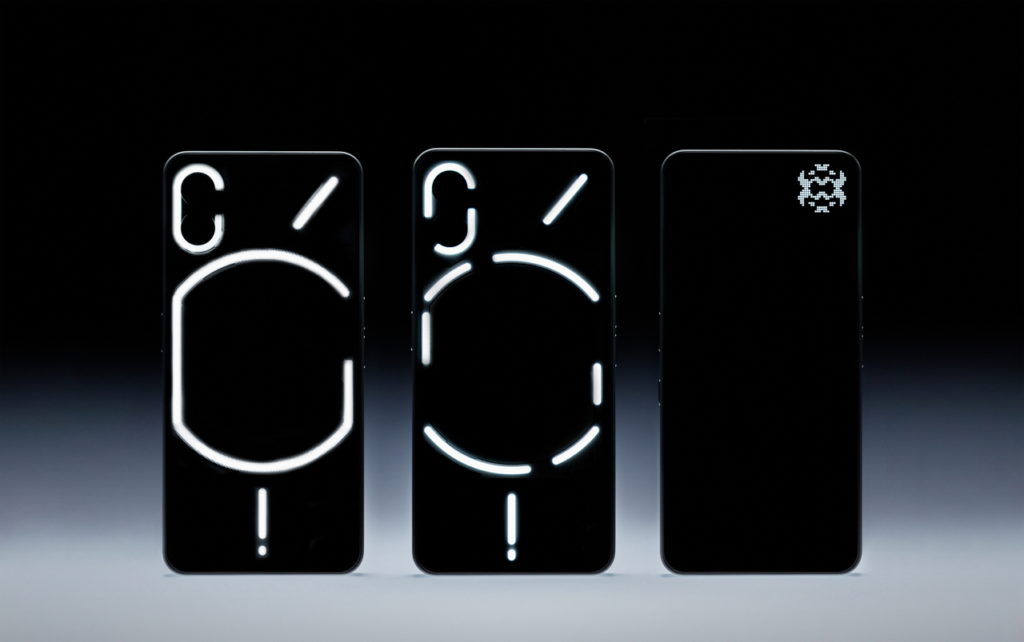
The transparent back panel and LED notification patterns — known as the Glyph Interface — allowed users to identify notifications without turning on the display. Lights could indicate a caller, charging status, alarms, or ride-hailing alerts.
Analysts say this design helped the company build instant brand recognition in a crowded Android market where most devices look similar.
“Hardware identity has become rare in smartphones,” said Ben Wood, chief analyst at CCS Insight, during a briefing on mobile design trends. “Consumers often cannot distinguish one handset from another without a logo.”
The company’s approach relied on emotional connection rather than technical specifications alone. Early adopters praised the device’s personality, while critics questioned whether the feature offered long-term practical value.
Why the Glyph Lights May Change
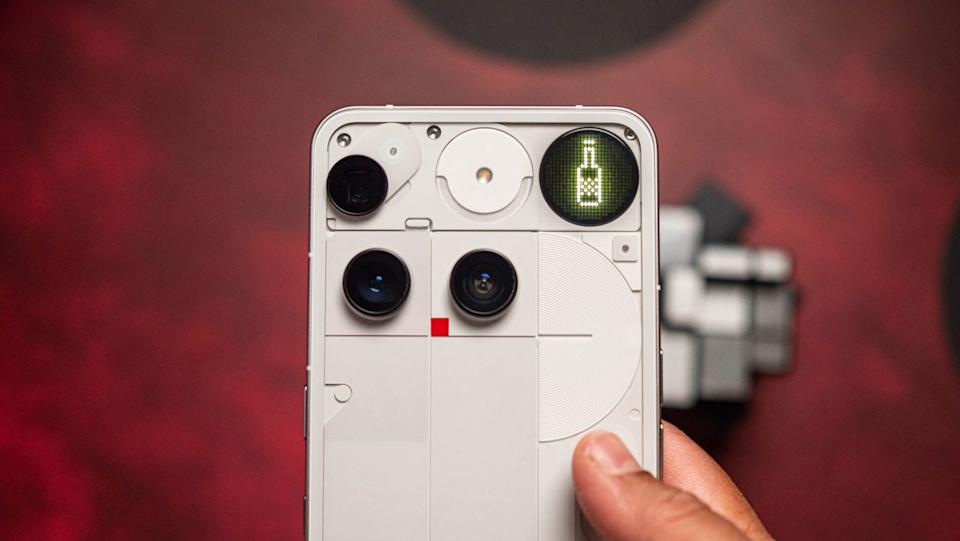
Recent demonstrations suggest the Nothing Phone 4a may simplify the complex light patterns into a single LED bar or limited notification system rather than removing lighting completely.
Cost and Manufacturing Pressures
Industry analysts say the change is closely tied to manufacturing economics. The mid-range smartphone market operates on thin profit margins.
Each programmable LED segment requires additional circuitry, controller chips, testing procedures, and software calibration. Simplifying the lighting system reduces assembly complexity and defect rates during production.
Research firm Counterpoint Research reports that mid-range devices account for the largest share of global smartphone shipments. Companies must therefore carefully manage production costs to remain competitive.
Battery Efficiency
Lighting features also affect battery consumption. While the power usage is small individually, repeated notification flashes across multiple LED zones can accumulate over time.
A simpler LED strip consumes less power and allows the manufacturer to maintain battery life without increasing battery size, which would raise cost and device weight.
Simplifying the Feature
The company appears to be shifting from decorative effects toward functional alerts — a trend seen across the industry. Manufacturers increasingly emphasize features that provide practical daily benefits rather than novelty.
The Brand Identity Question
For many users, the Glyph Interface became synonymous with the brand. Online community discussions show some customers consider it the defining feature of the device.
Technology branding specialist Carolina Milanesi of Creative Strategies previously said recognizable hardware shapes emotional loyalty:
“People form attachment to design cues. When you remove them, you risk losing differentiation, but you also open the product to a wider audience.”
This creates a strategic dilemma: maintain a niche identity or reach mass consumers.
Hardware Expectations
While full specifications remain unconfirmed, previews indicate the device may include:
- Snapdragon 7-series processor
- High refresh-rate OLED display
- Approximately 5,000 mAh battery
- Dual 50-megapixel cameras
The hardware targets mainstream users rather than enthusiasts. Analysts say the goal is consistent performance rather than record-breaking speed.
Software and User Experience
Another major factor behind the redesign may be software strategy. The company’s operating system, Nothing OS, emphasizes minimal visual clutter and notification management.
Instead of relying on visual spectacle, developers appear to be focusing on interaction efficiency. Features under development reportedly include smarter notification grouping and reduced screen-on time — both intended to improve battery life.
This approach reflects a wider shift across the industry. As smartphones mature, innovation increasingly occurs in software rather than hardware components.
Environmental and Repair Considerations
Reducing the number of LED components may also affect sustainability and repairability.
Consumer electronics repair groups note that complex lighting modules increase repair difficulty because they integrate multiple fragile parts into the back panel. A simplified lighting module could make the device easier to repair and reduce electronic waste.
The European Union’s right-to-repair policies and growing environmental regulations are encouraging manufacturers to design simpler internal layouts.
What It Means for the Smartphone Market
The design change highlights broader industry developments. Smartphone performance improvements have slowed, and upgrade cycles have lengthened.
According to the International Data Corporation (IDC), global smartphone replacement periods now often exceed three years. Consumers upgrade only when they see meaningful benefit.
From Specifications to Experience
Manufacturers now compete in three main areas:
- software features
- ecosystem integration
- distinctive design
The Nothing Phone 4a illustrates this transition toward smartphone design innovation centered on usability rather than raw performance.
Competitive Landscape
The device will face competition from several established brands.
Google’s Pixel A-series emphasizes camera quality and software support. OnePlus Nord models focus on performance value. Samsung’s Galaxy A-series relies on brand trust and wide availability.
The company therefore must balance uniqueness with reliability. Analysts say excessive experimentation can deter average buyers, while too little differentiation risks invisibility.
Fan Reaction and Industry Perspective
Reactions among enthusiasts are mixed. Some fans worry the brand is abandoning its visual identity. Others support a simpler approach if it improves battery life and affordability.
Market researchers say this response is typical when companies move from niche to mainstream markets.
Early adopters often value uniqueness, while broader consumers prioritize price, durability, and reliability.
Economic Context
The timing of the launch also matters. Global inflation and slower economic growth have affected consumer spending on electronics.
Many buyers now prefer mid-range devices over premium flagships. The mid-range smartphone market has therefore become the most competitive segment in the industry.
By simplifying hardware while keeping design elements, the company may be positioning the device as a value-focused alternative to expensive flagship phones.
Looking Ahead
The final design will determine whether the decision strengthens or weakens the brand’s position. If consumers accept the change, the company could establish a sustainable identity combining style and practicality.
If not, the company may need to reintroduce more elaborate features in future models.
Analysts say the product will serve as a critical test: whether distinctive hardware alone can sustain a technology brand or whether long-term success depends primarily on value and reliability.
FAQ
Will the Nothing Phone 4a remove lights completely?
No. Current previews indicate the phone will still include notification lighting, but in a simpler form.
Why is the company redesigning the Glyph Interface?
Analysts cite cost reduction, battery efficiency, easier manufacturing, and broader consumer appeal.
Will performance change?
No. The lighting system does not affect processor speed or core operating system functions.