
The global energy landscape has been experiencing significant turbulence recently. Geopolitical tensions, disruptions in key shipping routes, and fluctuations in crude oil supply have created concerns about the stability of fuel availability in many countries. In this uncertain environment, the news that LPG Production Up By 10% has sparked considerable discussion across the energy sector. Governments and energy companies have taken swift measures to maintain stability in fuel supply, particularly for essential fuels like liquefied petroleum gas (LPG), which millions of households depend on every day for cooking and heating. For consumers and businesses alike, the announcement that LPG Production Up By 10% provides reassurance that energy authorities are actively working to secure fuel supply chains. LPG is not just another fuel it plays a critical role in daily life, especially in countries where it serves as the primary cooking fuel. By increasing production and operating refineries at full capacity, the energy sector is aiming to ensure that households, restaurants, and industries continue receiving reliable fuel supplies despite global market uncertainty.
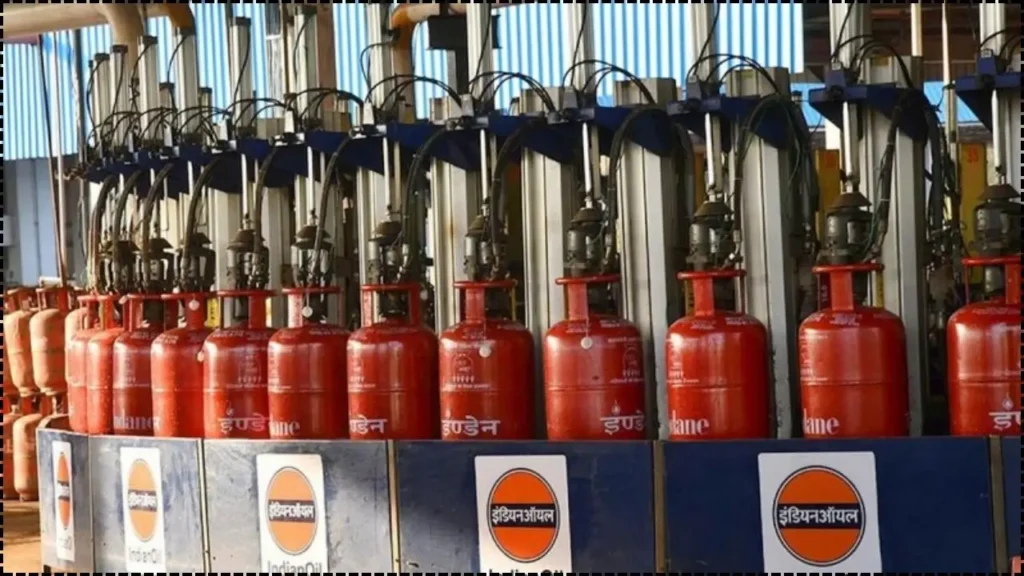
The announcement that LPG Production Up By 10% across refineries reflects a coordinated response from both policymakers and energy companies to prevent potential fuel shortages. Oil refineries have been instructed to increase LPG output by diverting key fuel streams such as propane and butane toward cooking gas production. These components are essential for producing LPG and can be redirected within refining processes to prioritize domestic fuel needs. Running refineries at full capacity is a significant operational decision. It requires careful coordination between crude oil suppliers, refinery operators, transportation networks, and distribution agencies. However, this move has allowed the energy sector to quickly respond to changing market conditions. The increase in output ensures that LPG distribution remains stable, particularly for households that rely on LPG cylinders for everyday cooking. Another important aspect of the LPG Production Up By 10% initiative is monitoring and regulation. Authorities are closely observing refill booking patterns, distribution schedules, and supply chains to prevent hoarding or misuse of LPG cylinders. These efforts help ensure that the increased production actually reaches consumers who need it most.
LPG Production Up By 10%
| Key Factor | Details |
|---|---|
| Production Increase | LPG Production Up By 10% across domestic refineries |
| Refinery Operations | Refineries running at nearly 100% capacity |
| Primary Objective | Maintain stable cooking gas supply |
| Government Action | Directed refineries to prioritize LPG output |
| Distribution Focus | Domestic consumers prioritized |
| Supply Monitoring | Refill cycles adjusted & supply chains monitored |
| Import Strategy | Diversified crude oil sourcing |
| Daily Distribution | Approximately 60 lakh LPG cylinders supplied daily |
The announcement that LPG Production Up By 10% has generated significant attention because it demonstrates how quickly the energy sector can respond to potential supply disruptions. By operating refineries at full capacity, diversifying crude oil imports, and prioritizing domestic consumers, authorities have taken decisive steps to maintain stable LPG supply. Although commercial users experienced some temporary challenges, the overall outlook remains positive. Increased production levels, improved distribution monitoring, and strengthened energy policies are helping stabilize the market. Ultimately, the LPG Production Up By 10% milestone reflects the resilience of the energy sector. With continued planning, investment, and coordination, the industry will be better prepared to handle future disruptions while ensuring that essential fuels remain accessible to everyone.
Government Directs Refineries to Increase LPG Output
- One of the most important reasons behind the LPG Production Up By 10% increase is the proactive role played by government authorities. Energy policymakers quickly recognized the risk that global geopolitical tensions could disrupt the supply of crude oil and refined petroleum products.
- To prevent shortages, refineries were instructed to divert specific hydrocarbon streams toward LPG production. Propane and butane, which are often used in petrochemical processes, were redirected to boost cooking gas output. This strategic decision allowed refineries to increase LPG production without waiting for new crude supplies or infrastructure expansion.
- The government also established monitoring systems to track LPG distribution across regions. Special committees were assigned to oversee supply logistics, handle consumer complaints, and ensure that fuel reaches the intended users. These measures help maintain transparency and efficiency in the supply chain.
Refineries Operating at Full Capacity
The success of the LPG Production Up By 10% initiative largely depends on refineries operating at their maximum throughput. Running a refinery at full capacity means optimizing every stage of the refining process from crude oil distillation to product separation and storage. Operating at such high-capacity levels requires reliable crude oil supply, skilled workforce management, and continuous equipment monitoring. Any technical disruptions could affect production levels, so refinery operators must maintain strict operational discipline.
Despite these challenges, running refineries at full capacity provides several benefits for the energy sector:
- Increased production of LPG for domestic use
- Stronger energy security during global crises
- Reduced need for emergency fuel imports
- Better stability in fuel pricing and availability
Large refinery complexes play a key role in this strategy. Their ability to process large volumes of crude oil allows them to quickly adjust production outputs and respond to changing fuel demands.
Diversification Of Crude Oil Imports
- Another critical factor supporting the LPG Production Up By 10% increase is the diversification of crude oil imports. Relying on a single region or shipping route for crude oil can create vulnerability during geopolitical tensions or trade disruptions.
- To address this risk, energy authorities have expanded procurement channels and started sourcing crude oil from a wider range of international suppliers. This diversification strategy ensures that refineries continue receiving crude oil even if certain trade routes become unstable.
- Expanding import sources also improves bargaining power in global energy markets. With access to multiple suppliers, energy companies can secure competitive pricing and stable supply contracts. This stability ultimately supports higher refinery output and consistent LPG production.
LPG Supply Prioritized for Domestic Consumers
When supply disruptions occur, governments often prioritize essential sectors to ensure that households continue receiving critical resources. In the case of LPG, domestic consumers represent the most important category because cooking gas is a basic necessity. Authorities have introduced several measures to ensure that the LPG Production Up By 10% increase benefits household users directly. One such measure involves adjusting refill booking intervals. Extending the waiting period between bookings helps prevent stockpiling and ensures fair distribution among consumers. Distribution agencies have also been instructed to monitor supply patterns and prevent unauthorized diversion of cylinders to commercial markets. By implementing these measures, the government aims to maintain balanced distribution and avoid regional shortages.
Impact On Commercial LPG Users
- While domestic households remain the priority, commercial LPG users have experienced some temporary supply adjustments. Restaurants, hotels, catering services, and small food businesses rely heavily on commercial LPG cylinders for daily operations. During the early stages of the supply disruption, some businesses reported difficulty obtaining commercial LPG cylinders. In certain cities, restaurants reduced their menu options or adjusted operating hours due to limited fuel availability.
- However, energy authorities have clarified that these challenges are temporary. As refinery output stabilizes and distribution networks adjust to the LPG Production Up By 10% increase, commercial LPG availability is expected to improve gradually. Industry associations have also been working with government agencies to identify solutions that balance domestic and commercial demand without disrupting essential services.
Strengthening Energy Security
The LPG Production Up By 10% development highlights the importance of energy security in today’s global environment. Countries around the world are realizing that stable energy infrastructure is essential for economic stability and social well-being.
Several strategies are being implemented to strengthen energy security:
- Increasing refinery capacity and efficiency
- Diversifying crude oil import sources
- Expanding LPG storage and transportation infrastructure
- Improving supply chain monitoring systems
- Enhancing coordination between government agencies and energy companies
These measures help ensure that fuel supplies remain stable even during global disruptions or market volatility.
Outlook For The Energy Sector
- The current increase in LPG production may represent the beginning of broader changes in the energy sector. Governments and energy companies are already exploring long-term solutions to reduce vulnerability to global supply disruptions.
- Future initiatives may include expanding domestic refining capacity, building new LPG storage terminals, and investing in pipeline networks that improve fuel transportation efficiency. Technological upgrades in refineries could also increase production flexibility, allowing operators to quickly shift output between different petroleum products.
- In addition, strategic petroleum reserves and improved logistics systems could play a larger role in protecting energy supply chains. By combining these measures with continued monitoring and planning, the energy sector can maintain stable fuel availability for both households and industries.
Read More:-
FAQs
What Does LPG Production Up By 10% Mean?
It means domestic refineries have increased LPG output by about ten percent compared to previous production levels.
Why Are Refineries Operating at Full Capacity?
Refineries are running at maximum capacity to produce more LPG and maintain stable fuel availability for households and businesses.
Will There Be an LPG Shortage for Consumers?
Authorities have stated that there is no nationwide shortage. The increase in production is specifically designed to prevent supply disruptions.
Why Are Restaurants Facing Commercial LPG Issues?
Some commercial users experienced temporary supply shortages because authorities prioritized domestic households during the early stages of the supply adjustment.