
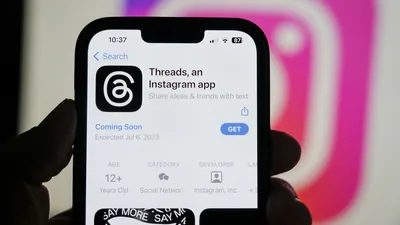
Meta Platforms has introduced a deeper link between its photo-sharing service Instagram and its discussion app Threads, a move widely described as the Instagram & Threads Integration update. The feature allows users to share posts across both platforms, sync profiles, and carry over social connections. Analysts say the change reflects Meta’s broader strategy to build a unified ecosystem that keeps users interacting inside its family of applications.
Instagram & Threads Integration
| Key Fact | Detail |
|---|---|
| Cross-posting | Users can share posts and captions between the two apps |
| Unified identity | Profile name, bio, and verification may sync |
| Algorithm signals | Activity on one platform can influence recommendations on the other |
Meta’s integration reflects a broader shift toward interconnected platforms rather than standalone apps. Whether users embrace the combined ecosystem may depend on how effectively the company balances convenience with privacy, competition concerns, and user control in future updates.
What the Instagram & Threads Integration Update Does
The Instagram & Threads Integration strengthens how the two services interact. Instead of operating as separate products, Instagram and Threads now share publishing tools, discovery systems, and account data.
Users can publish a photo, Reel, or text update in one app and distribute it to the other without re-uploading. Captions, hashtags, and tagged accounts can transfer automatically.
Meta described the update in a statement as “a simpler way for people to participate in conversations and connect with communities without rebuilding their audience.”
Cross-posting and shared content
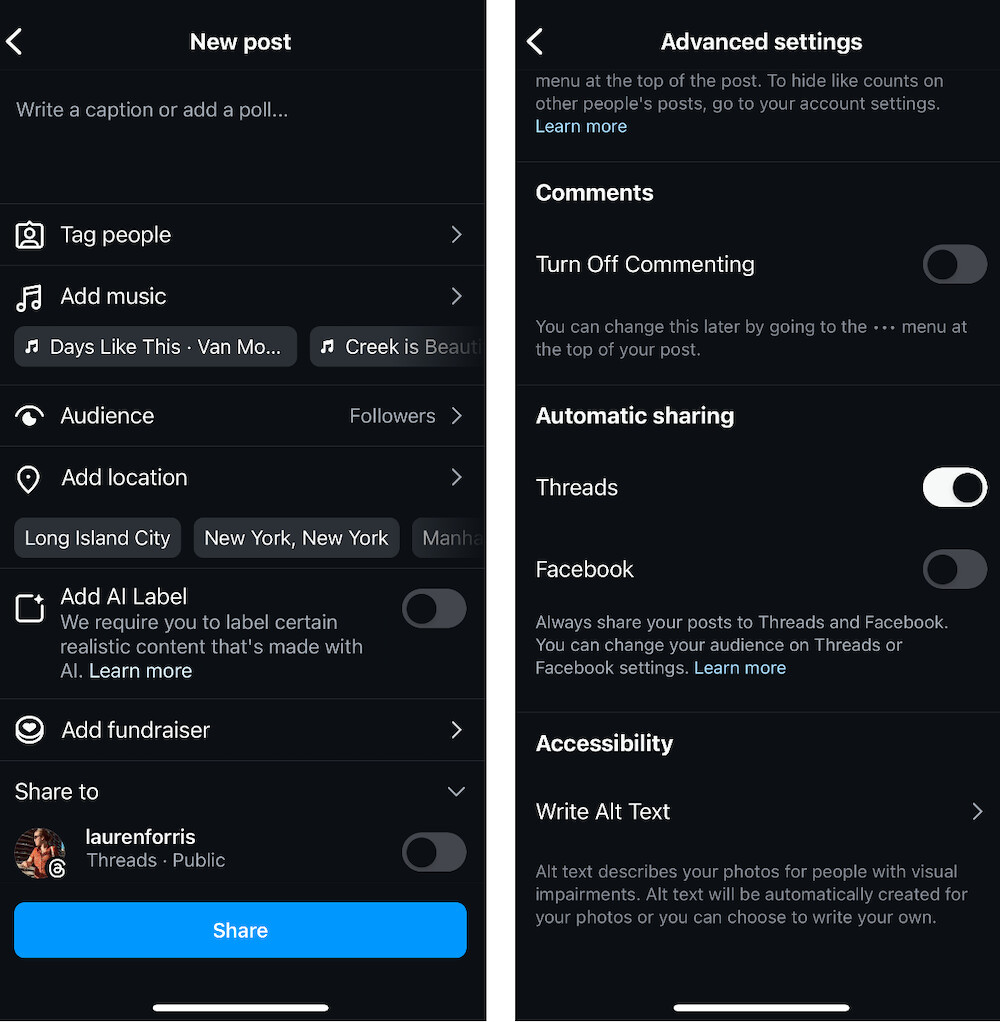
Previously, Threads required users to create posts specifically for that platform. The updated system allows direct sharing, reducing the time required for creators and businesses to maintain two accounts.
Digital marketing researcher Dr. Evelyn Harper of the University of Texas said integrated posting lowers barriers to engagement.
“Users generally do not want to duplicate effort,” Harper explained. “When platforms remove friction, posting frequency and conversation volume usually increase.”
Why Meta Is Linking the Platforms
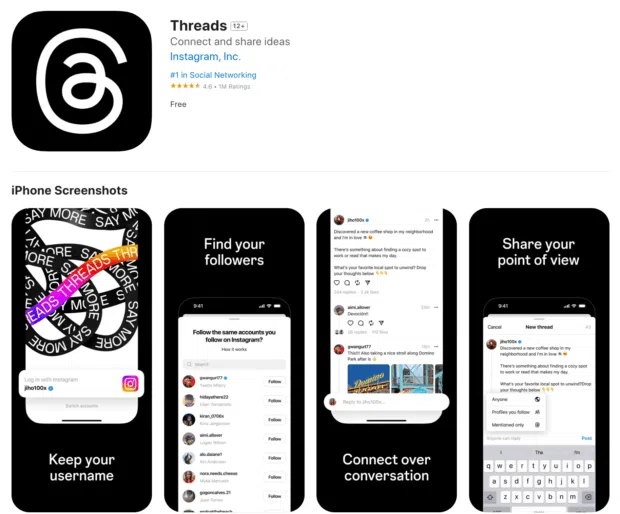
Meta launched Threads in 2023 as a conversation-focused service competing with text-based social networks. However, new social platforms often struggle to attract users because audiences must be rebuilt from the beginning.
By connecting accounts to Instagram, Meta bypassed that hurdle. Users automatically follow people they already know.
Technology policy analyst Marcus Liu of the Center for Digital Media Governance said the approach reflects a broader industry shift.
“Large platforms increasingly rely on ecosystem lock-in,” Liu said. “Once identity, followers, and messaging exist across apps, leaving the network becomes much harder.”
A single identity system
The update synchronizes usernames, profile photos, and biographies across the services. Verified accounts may also retain their verification badges.
That means influencers, businesses, and public figures no longer manage two independent identities. Brand recognition carries across both environments.
Historical Context: Why Meta Built Threads
To understand the Instagram & Threads Integration, it helps to examine Meta’s past platform strategy.
Over the past decade, the company has gradually assembled a network of interconnected services:
- Facebook for community groups and events
- Instagram for visual sharing and creators
- Messaging apps for private communication
Threads fills a missing layer: public conversation.
When public discussion platforms faced instability and declining moderation trust in recent years, Meta moved to build an alternative discussion space. Instead of creating a completely separate network, the company used Instagram’s large user base as the starting point.
Media industry researcher Paul Gardner of the Columbia Journalism School explained the advantage.
“Launching a social platform is incredibly difficult,” Gardner said. “But launching one that already contains millions of relationships changes the odds dramatically.”
How Algorithms and Recommendations May Change
The integration also affects recommendations. Activity in one app now contributes to the other’s personalization system.
For example:
- Accounts frequently engaged with in Threads may appear more often in Instagram feeds
- Topics discussed in Threads conversations may influence recommended Reels and posts
Researchers studying social media systems say cross-platform data sharing helps recommendation engines learn faster. The effect may improve relevance but also intensify personalization.
Professor Nadia Chen of Stanford University’s communications department noted that unified data can reshape information exposure.
“Users will likely see more content aligned with their behavior across multiple contexts,” Chen said. “That can be useful, but it also narrows diversity of viewpoints if not balanced.”
Privacy and Data Considerations
Meta says privacy settings remain configurable, allowing users to limit cross-posting or follower suggestions. People can also choose whether replies appear across platforms.
However, digital rights groups caution that broader data sharing raises transparency questions. The nonprofit Electronic Privacy Information Center has previously argued that combined behavioral signals can expand user profiling, particularly for advertising.
Meta maintains that it uses the data to improve relevance and safety. Company documentation states shared signals help detect spam, impersonation, and coordinated abuse.
Regulatory scrutiny
Regulators in several regions are increasingly examining data-sharing between connected platforms. Authorities in the European Union, for example, have enforced rules requiring companies to explain how personal data flows across services under competition and privacy laws.
Policy researcher Anna Weiss of the European Digital Policy Institute said integrated accounts could become a regulatory focus.
“When multiple services operate as one, regulators begin to treat them as a single dominant ecosystem,” Weiss said.
Impact on Creators, Businesses, and Influencers
The integration significantly affects how creators grow audiences.
Creators often divide their time across platforms. The Instagram & Threads Integration reduces that workload by allowing one piece of content to generate multiple types of engagement.
- Instagram post → visual reach
- Threads discussion → community interaction
Marketing consultant Alicia Romero said brands gain an immediate discussion channel.
“A product launch photo can now trigger a live conversation thread instantly,” Romero said.
Small businesses may benefit most because they typically lack resources to maintain separate marketing teams.
Advertising and Monetization
Although Meta has not announced a full advertising system inside Threads, analysts expect monetization tools to follow.
Advertising typically requires:
- Active user discussions
- Predictable engagement patterns
- Reliable user identity
The integration provides all three.
Financial analyst Robert McKenna of Horizon Market Research said advertisers favor connected ecosystems.
“Advertisers want consistent audiences,” McKenna said. “If a brand can run a campaign that moves seamlessly from image to conversation, it increases campaign value.”
Experts expect future features such as sponsored discussions, creator subscriptions, and integrated shopping links.
Broader Impact on Social Media
Industry analysts view the move as part of a long-term strategy: integrating services so each plays a distinct role.
| Platform Function | Role |
|---|---|
| Visual identity and discovery | |
| Threads | Public conversation |
| Messaging services | Private communication |
The model resembles a unified communications network rather than separate platforms.
Reactions from Users
Early reactions have been mixed.
Some users welcome the convenience. Others worry about audience overlap and visibility. Threads discussions are often more public than Instagram comments, increasing exposure to strangers.
Social behavior researcher Dr. Kevin Patel said the change may alter posting habits.
“People curate Instagram carefully,” Patel said. “But conversational platforms encourage spontaneous responses. Combining them changes how users express themselves online.”
Global Implications
The integration may influence social media adoption in emerging internet markets, where many users rely on a single app for most online activity.
In regions with limited bandwidth or device storage, people often avoid installing multiple platforms. A unified system could increase adoption because one account serves multiple purposes.
Telecommunications analyst Rina Das noted the effect.
“In many countries, the success of a platform depends on efficiency,” Das said. “If one ecosystem provides messaging, video, and conversation, users prefer it over maintaining several apps.”
What Happens Next
Meta has not announced a final rollout date for all regions but says features will expand gradually. The company indicated additional messaging and community tools are under development.
Analysts expect deeper integration, potentially including shared notifications, group communities, and business messaging connections.
The company said in a statement it aims “to make it easier for people to share ideas and participate in conversations wherever they feel most comfortable.”
FAQ
What is the Instagram & Threads Integration?
It refers to the deeper linking of Instagram and Threads accounts, enabling cross-posting, shared identity, and synchronized recommendations.
Do I need a Threads account to use Instagram?
No. Instagram works independently, but linking enables additional features.
Can users disable the integration?
Yes. Privacy settings allow users to limit sharing, suggestions, and cross-posting.
Will this affect what I see in my feed?
Yes. Activity on Threads can influence recommendations on Instagram.