
India is currently facing a challenging moment in its energy supply chain, with the India LPG supply crisis becoming a growing concern across the country. The India LPG supply crisis is not just a technical or logistical issue it directly affects millions of households that rely on LPG for daily cooking. Even a small disruption in supply can quickly turn into a major issue, impacting availability, pricing, and public confidence. What makes the situation more serious is the uncertainty surrounding it. While the government has attempted to reassure the public, the details shared so far have left many questions unanswered. The India LPG supply crisis is now being closely watched by industry experts, policymakers, and consumers alike, as it highlights deeper concerns about infrastructure, coordination, and preparedness.
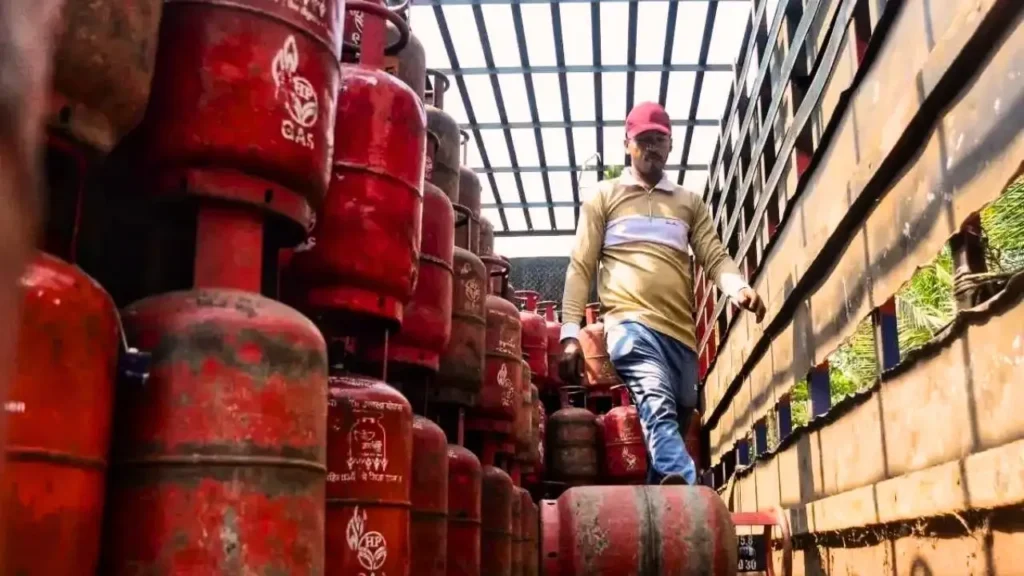
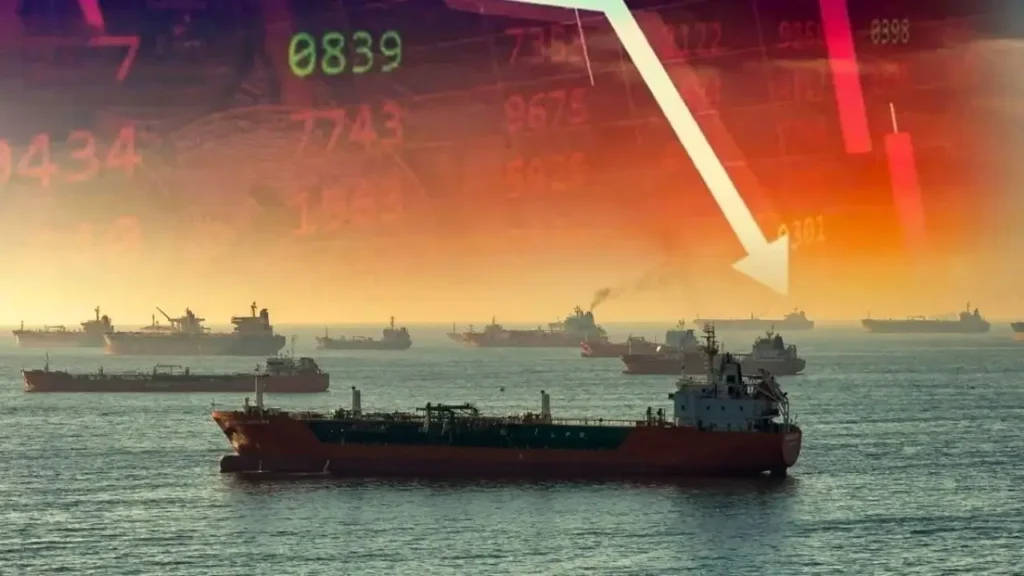
The India LPG supply crisis is a combination of several factors coming together at the same time. Shipping delays, port congestion, and global energy market fluctuations have created a situation where supply chains are under pressure. Although officials claim that there is no immediate shortage, the lack of detailed information has raised doubts. From a consumer perspective, the concern is simple will LPG cylinders be available without delay or price increases? From an industry standpoint, the issue is more complex. It is about whether India’s supply chain system is strong enough to handle disruptions. The India LPG supply crisis also brings attention to the need for better planning and communication, especially when dealing with essential commodities.
India’s LPG Emergency
| Key Aspect | Details |
|---|---|
| Primary Concern | Potential LPG supply disruption |
| Ministry Response | Claims no immediate shortage, logistical issues being managed |
| Main Challenges | Shipping delays, port congestion, global supply constraints |
| Impact Area | Domestic households, especially rural and urban middle-class users |
| Industry Reaction | Skepticism over lack of detailed data and clarity |
| Key Question | Whether supply chain is resilient enough for sustained disruptions |
| Government Assurance | Adequate stock and steps being taken |
| Public Concern | Rising anxiety over availability and possible price fluctuations |
The India LPG supply crisis is a clear reminder that even essential systems can face unexpected challenges. While the current situation may be temporary, it has exposed gaps that need to be addressed. Ensuring a stable LPG supply is critical for both economic and social reasons. The government, industry, and stakeholders must work together to strengthen the system. Better planning, improved infrastructure, and transparent communication are key to preventing future crises. If the lessons from this situation are taken seriously, India can build a more resilient and reliable LPG supply chain. If not, similar issues may arise again, possibly with greater impact.
Shipping Delays ande Port Congestion: The Core Problem
- One of the biggest reasons behind the India LPG supply crisis is the delay in LPG shipments. India imports a large portion of its LPG, which means it depends heavily on timely shipping. When vessels are delayed or ports become congested, the entire supply chain slows down.
- Port congestion has been a long-standing issue in India. During peak demand periods, ports struggle to handle the volume efficiently. This results in delays in unloading LPG cargo, which then affects distribution across the country. The current situation suggests that infrastructure improvements are needed to prevent such bottlenecks.
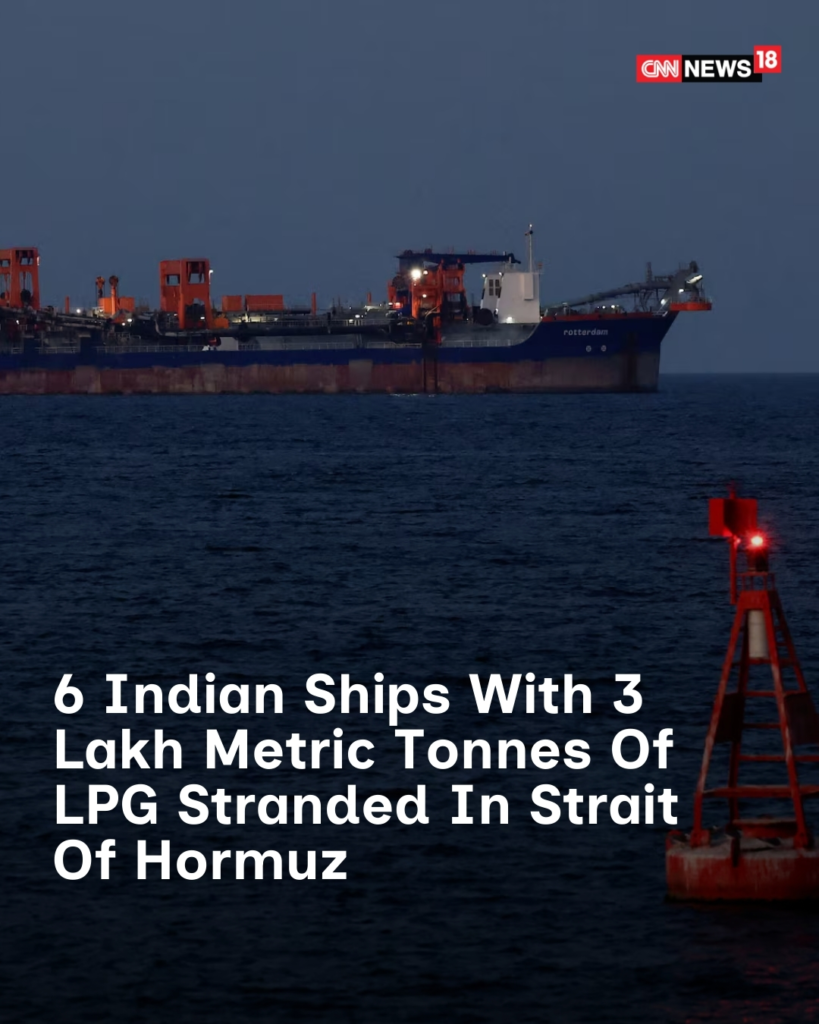
- Shipping delays are not always within control, especially when global factors are involved. However, having contingency plans and better coordination can reduce the impact. The India LPG supply crisis highlights the importance of strengthening logistics systems to ensure smooth operations.
Government’s Assurance Vs Industry Concerns
- The government has repeatedly stated that there is no shortage of LPG and that sufficient stock is available. While this is reassuring, the India LPG supply crisis has shown that statements alone are not enough. Industry experts are asking for more transparency and data.
- One major concern is the lack of clear information. Details about stock levels, import schedules, and distribution timelines have not been fully disclosed. Without this information, it is difficult for stakeholders to assess the real situation.
- Another issue is communication. The official response has been general and does not address specific concerns. This has led to confusion and speculation. The India LPG supply crisis could have been handled better with clear and detailed communication.
Impact On Households and Market Sentiment
LPG is an essential part of daily life for millions of Indian families. The India LPG supply crisis has raised concerns about whether people will receive their cylinders on time. Any delay can disrupt daily routines, especially in households that rely entirely on LPG for cooking. Urban areas are particularly sensitive to supply disruptions, as alternatives are limited. In rural areas, LPG usage has increased significantly in recent years. A disruption in supply could affect the progress made in promoting clean cooking fuel. Market sentiment also plays a crucial role. Even the fear of shortage can lead to panic buying. This can create artificial scarcity and put additional pressure on the supply chain. Managing public perception is therefore just as important as managing actual supply during the India LPG supply crisis.
Global Factors Adding To The Pressure
The India LPG supply crisis is not just a domestic issue. Global factors have a significant impact on LPG supply. Changes in crude oil prices, geopolitical tensions, and international shipping disruptions all contribute to the problem. In recent times, global supply chains have become more unpredictable. Shipping costs have increased, and vessel availability has been affected. These challenges make it harder for countries like India to ensure steady LPG imports. Because India relies heavily on imports, it remains vulnerable to global market changes. The India LPG supply crisis is a reminder of the need to reduce dependency and strengthen domestic capabilities where possible.
Questions That Still Need Answers
Despite the assurances given by the government, several important questions remain unanswered.
These questions are at the center of the India LPG supply crisis and need immediate attention:
- How serious are the shipping delays and how long will they continue?
- What is the exact stock position of LPG across different regions?
- Are there backup plans in case the situation worsens?
- Why was this issue not anticipated earlier despite known challenges?
The Need for Better Coordination and Transparency
- The India LPG supply crisis highlights the need for better coordination between different sectors. The shipping, petroleum, and logistics departments must work together more efficiently to avoid disruptions.
- Transparency is equally important. Providing regular updates with accurate data can help reduce panic and build confidence among consumers. When people are informed, they are less likely to react negatively.
- Improving infrastructure is another key area. Expanding port capacity, modernizing logistics systems, and increasing storage facilities can make the supply chain more resilient. These steps can help prevent future occurrences of the India LPG supply crisis.
Long Term Solutions To Strengthen LPG Supply
To avoid similar situations in the future, India needs to focus on long-term solutions. One important step is diversifying import sources. Relying on a limited number of suppliers increases risk. Building strategic reserves can also help. Having additional stock available during emergencies ensures that supply is not disrupted. Investing in domestic production and alternative energy sources can further reduce dependency on imports. Technology can play a role as well. Using data analytics and real-time monitoring can improve supply chain efficiency. The India LPG supply crisis shows that modernization is necessary to keep up with growing demand.
Read More:-
Horizon Petroleum Unveils Strategic Funding Plan—Convertible Debentures Explained in One Big Move
FAQs on India’s LPG Emergency
What is the India LPG supply crisis?
The India LPG supply crisis refers to the current challenges in LPG supply caused by shipping delays, port congestion, and global market disruptions.
Is there a shortage of LPG in India right now?
The government has stated that there is no immediate shortage, but concerns remain due to ongoing logistical issues.
How does this crisis affect common people?
It may lead to delays in cylinder delivery, increased prices, and uncertainty in availability.
What are the main reasons behind the crisis?
The main reasons include delayed shipments, port congestion, and global supply chain disruptions.