
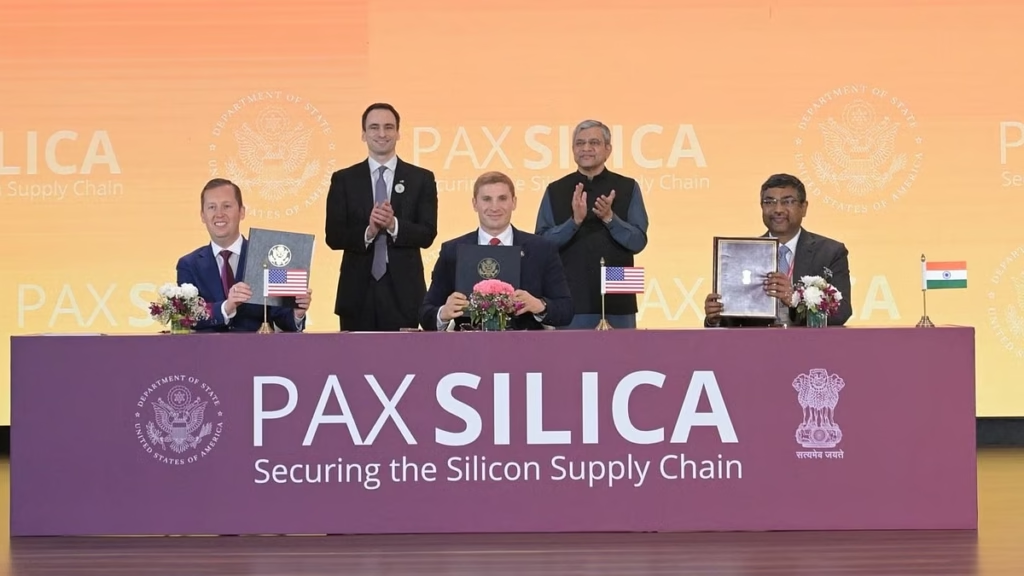
India has entered an emerging technology partnership described by analysts as India Joins Pax Silica Alliance, a coalition focused on semiconductors and artificial intelligence infrastructure. The move, coordinated with several advanced economies, seeks to secure chip supply chains, expand computing capacity, and reduce dependence on concentrated manufacturing hubs as geopolitical competition intensifies.
India Joins Pax Silica Alliance
| Key Fact | Detail/Statistic |
|---|---|
| India semiconductor incentives | Approx. $10 billion equivalent program |
| Advanced chip concentration | Over 90% of cutting-edge chips produced in Taiwan |
| AI electricity demand | Data-center power consumption expected to surge this decade |
What Is the India Joins Pax Silica Alliance?
The India Joins Pax Silica Alliance is not a formal military-style treaty but a strategic technology alignment among countries seeking coordinated semiconductor manufacturing, artificial intelligence infrastructure, and critical-materials security. Researchers describe it as a “trusted technology network” connecting design, manufacturing, and computing capacity across multiple nations.
“This is supply-chain resilience in the age of artificial intelligence,” semiconductor historian Chris Miller said during a Council on Foreign Relations discussion. “Computing power has become a national capability, similar to energy security.”
Governments involved aim to prevent disruptions like the COVID-19 semiconductor shortage, which halted automobile production and delayed electronics deliveries worldwide. According to the U.S. Department of Commerce, the shortage forced many factories to suspend operations and contributed to rising consumer prices.
Why India’s Role Matters
India has long served as a global software services center but has played only a minor role in semiconductor manufacturing. Participation in India Joins Pax Silica Alliance signals a strategic shift toward hardware capability and digital sovereignty.
The country launched a semiconductor incentive plan in 2021 to attract fabrication, assembly, and testing plants. Officials say trusted electronics infrastructure is necessary for economic growth and national security.
“Secure supply chains and trusted AI systems are essential for a digital economy,” India’s Ministry of Electronics and Information Technology said in a policy statement outlining the program.
From Coding Hub to Compute Hub
Artificial intelligence is altering technological competition. Training modern AI models requires vast computing clusters powered by specialized chips called graphics processing units, or GPUs.
Without domestic or allied chip access, companies rely on foreign cloud providers. Analysts say that dependence raises security and pricing concerns and limits innovation.
The Brookings Institution notes that AI leadership now depends more on computing capacity than workforce size. This explains the global expansion of hyperscale data centers.
Implications for the AI Supply Chain
Semiconductor Bottlenecks
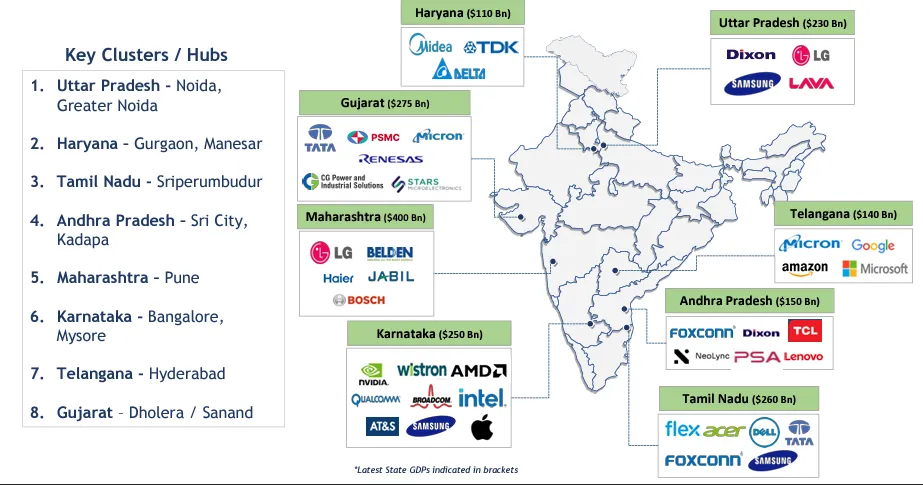
AI systems depend on advanced processors manufactured primarily in Taiwan and South Korea. The U.S. Congressional Research Service reports Taiwan produces the majority of leading-edge chips.
Such concentration creates risk. A disruption could affect banking networks, communication infrastructure, and military systems.
India Joins Pax Silica Alliance aims to diversify production across trusted locations.
Critical Minerals and Materials
AI hardware also requires rare earth elements used in electronics and high-performance magnets. China currently dominates processing, according to the International Energy Agency.
India could contribute through materials processing, chip packaging, and electronics assembly. Economists call this supply-chain diversification rather than complete decoupling.
Economic Effects Inside India
Officials expect the partnership to stimulate manufacturing investment and high-skilled employment.
Startup Ecosystem
Indian startups often rent computing power from foreign providers due to limited local GPU availability. Industry groups say domestic infrastructure could significantly reduce costs.
“Affordable compute is the missing ingredient,” said an analyst at NASSCOM, India’s software industry association. “Local infrastructure would enable indigenous AI platforms.”
Employment and Education
Universities are preparing for workforce demand in chip design and materials science. Engineering institutions have begun adding semiconductor curriculum programs covering chip architecture, fabrication processes, and electronic design automation tools.
According to industry estimates, semiconductor ecosystems require thousands of specialized technicians and engineers, not only researchers but also equipment operators and quality inspectors.
Infrastructure: Power, Water, and Land
Semiconductor fabrication plants require stable electricity and significant water supply for wafer cleaning and cooling processes. Experts note infrastructure readiness will determine long-term success.
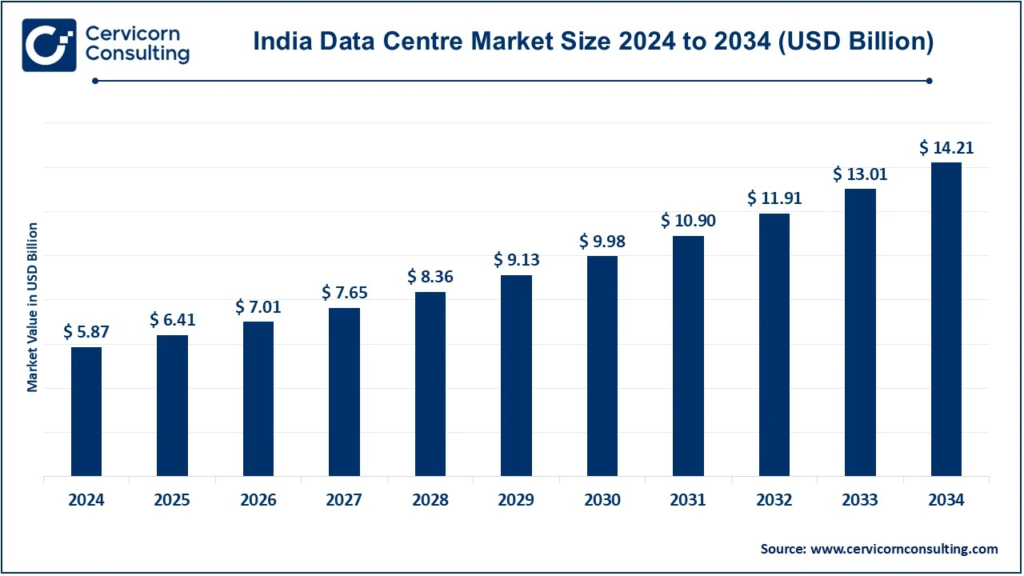
India is investing in renewable energy expansion, including solar power generation, to support data-center growth. The International Energy Agency says reliable electricity is among the top requirements for AI infrastructure development.
Land availability also matters. Chip plants typically occupy large industrial zones with controlled environments and transportation access.
Geopolitical Context
The development occurs amid rising global competition over advanced technologies. The United States and partners have restricted exports of advanced chip manufacturing equipment to China on national security grounds.
China has criticized such measures as economic containment.
Many countries seek balanced relations. India maintains trade ties with multiple partners but increasingly participates in democratic technology initiatives such as the Quad.
“The world is moving toward technology blocs,” said a Carnegie Endowment researcher. “India is attempting to benefit economically while preserving strategic autonomy.”
Security and Defense Implications
Artificial intelligence is becoming central to defense operations, including cyber defense, satellite monitoring, and autonomous systems. Advanced semiconductors are required for all such applications.
Defense analysts warn reliance on foreign supply chains could expose vulnerabilities. By diversifying production, India Joins Pax Silica Alliance partners aim to improve resilience.
The U.S. National Security Commission on Artificial Intelligence concluded access to computing hardware will be as important as research expertise for future defense readiness.
Environmental and Energy Considerations
Large data centers consume substantial electricity. Researchers warn AI expansion must balance innovation with sustainability.
Cooling systems, especially in warmer climates, can significantly increase energy use. Experts suggest renewable power integration and efficient chip design will be essential.
Environmental analysts also note water usage by semiconductor plants requires careful management to avoid local shortages.
Comparison With Past Industrial Revolutions
Economists compare the development to earlier industrial shifts. The 19th century centered on coal and steel, the 20th century on oil and manufacturing, and the 21st century on data and computing power.
Countries that hosted manufacturing in earlier eras gained economic and political influence. Analysts believe AI infrastructure may produce similar long-term effects.
Risks and Challenges
The initiative faces major challenges.
Semiconductor fabrication plants cost billions of dollars and take years to complete. Taiwan’s industry developed over decades with government support and private investment.
Subsidies alone may not ensure competitiveness. Market cycles, rapid technological change, and skilled labor shortages pose risks.
Trade tensions could also complicate global supply chains the alliance aims to stabilize.
What Businesses and Consumers May Notice
For consumers, immediate changes may be limited. However, long-term impacts could include:
- Faster cloud services
- Lower computing costs
- Locally trained AI language tools
- Increased electronics manufacturing
For businesses, reliable supply chains may reduce disruptions like those experienced during the pandemic.
Looking Ahead
The India Joins Pax Silica Alliance framework will develop gradually. Semiconductor projects often require five to ten years before full production.
Analysts say its importance lies in strategic direction rather than immediate output.
“Countries are positioning themselves for the AI economy,” a Georgetown University technology policy researcher said. “Infrastructure decisions today will shape future global growth.”
Investment announcements and operational data centers are expected over the coming years.
FAQ
What is India Joins Pax Silica Alliance?
A coordinated technology initiative to strengthen semiconductor production, AI infrastructure, and trusted supply chains.
Why does it matter for AI?
AI requires specialized processors and large computing facilities. Without reliable access, countries cannot develop advanced systems.
Why is India important?
India combines engineering talent, a large digital economy, and growing manufacturing ambitions, making it a potential computing infrastructure hub.