
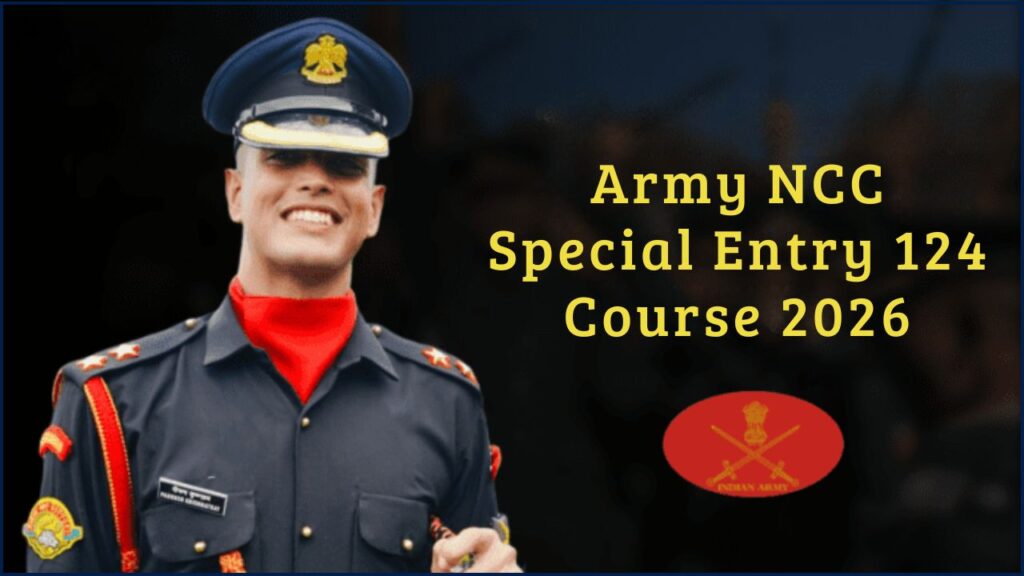
The Army NCC Special Entry 124 Course 2026 has opened for applications, offering graduates with a National Cadet Corps (NCC) ‘C’ certificate a direct route to become commissioned officers in the Indian Army. The recruitment cycle, scheduled for the October 2026 training batch, allows eligible candidates to bypass a written examination and proceed directly to personality assessment and training.
Army NCC Special Entry 124 Course 2026
| Category | Details |
|---|---|
| Entry Type | Short Service Commission (Non-Technical) |
| Written Exam | Not required |
| Qualification | Graduate with 50% marks |
| NCC Requirement | ‘C’ Certificate (minimum B grade) |
| Age Limit | 19–25 years |
| Selection | Shortlisting + SSB Interview + Medical |
| Training Location | Officers Training Academy Chennai |
| Commission Rank | Lieutenant |
| Training Duration | About 49 weeks |
| Application Window | February – March 2026 |
| Official Website | https://joinindianarmy.nic.in |
The Army NCC Special Entry 124 Course 2026 represents a specialised officer recruitment channel aimed at identifying leadership potential among trained youth cadets. With no written exam but rigorous personality and medical evaluation, the process emphasises suitability for command responsibility rather than academic competition. For eligible graduates, it offers a structured pathway into military leadership and national service.
What Is the Army NCC Special Entry 124 Course 2026?
The Army NCC Special Entry 124 Course 2026 is part of the Indian Army’s university-linked officer recruitment system. It is specifically designed for cadets who have completed structured training through the National Cadet Corps.
Unlike other officer entries that rely heavily on competitive written examinations, this scheme evaluates leadership potential and behavioural aptitude. Applicants are shortlisted using academic marks and NCC performance records before being invited to the SSB Interview, the military’s personality assessment process.
The programme ultimately leads to a Short Service Commission in the Indian Army.
Why the NCC Entry Exists
The National Cadet Corps operates in schools and universities across India and focuses on discipline, leadership, and civic training. Military planners consider it a pre-training environment where candidates already experience:
- drill discipline
- group leadership
- basic military organisation
- social responsibility activities
Defence training experts often note that cadets from this background adjust faster during officer training because they already understand the culture of the armed forces.
Important Dates and Vacancy Structure
The 2026 cycle follows the Army’s standard biannual officer training schedule.
- Application start: February 2026
- Last date: March 2026
- Interview period: May–June 2026
- Training begins: October 2026
The number of vacancies remains limited, with seats divided among male candidates, female candidates, and wards of battle casualties.
Because of the small intake and high national interest, competition remains intense despite the absence of a written examination.
Eligibility Criteria in Detail
Educational Requirement
Applicants must hold a bachelor’s degree with at least 50 percent aggregate marks. Students in the final year of graduation may apply provisionally.
NCC Service Requirement
Candidates must have:
- Minimum two years service in Senior Division or Wing
- NCC ‘C’ certificate
- Minimum ‘B’ grading
Battle casualty wards are exempt from the NCC certification requirement.
Age Requirement
Candidates must be between 19 and 25 years as of July 2026 and unmarried at the time of application.
Selection Process: Understanding the SSB Interview
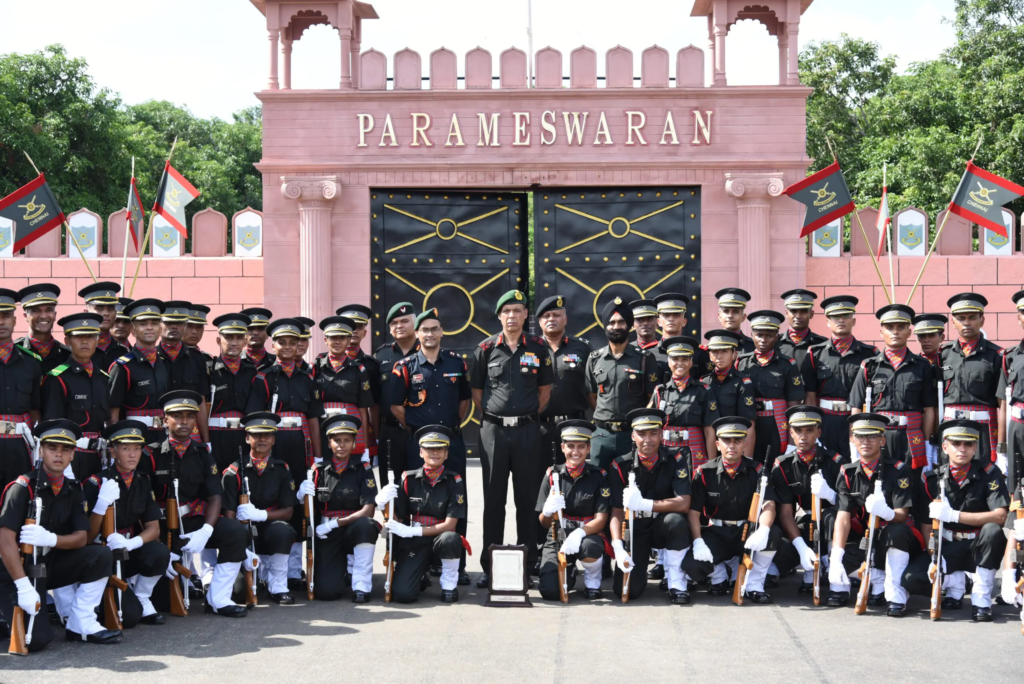
The SSB Interview is the most critical stage of selection and lasts five days. It is conducted by the Services Selection Board, a panel of psychologists, military officers, and behavioural assessors.
Stage 1: Screening
Candidates undertake an intelligence test and group discussion. Many candidates are eliminated at this stage.
Stage 2: Psychological and Leadership Tests
Over several days, assessors examine:
- reasoning ability
- initiative
- communication
- teamwork
- stress handling
Conference
In the final stage, the board collectively decides whether the candidate displays “officer-like qualities.”
Former assessors describe the SSB as a personality evaluation rather than a knowledge test.
Common Reasons Candidates Fail
Training academies and former SSB assessors consistently highlight recurring issues among applicants:
- rehearsed or artificial responses
- poor communication skills
- lack of awareness of national issues
- inability to work in teams
- low confidence during group tasks
Contrary to popular belief, physical fitness alone does not guarantee selection. Behaviour and decision-making ability carry greater weight.
Medical Examination Standards
Candidates recommended by the SSB must pass a detailed medical examination. The armed forces apply strict standards relating to:
- eyesight
- posture and skeletal health
- cardiovascular fitness
- hearing ability
The medical stage eliminates a significant number of recommended candidates each year.
Training at Officers Training Academy Chennai
Selected candidates undergo pre-commission training at the Officers Training Academy Chennai (OTA), one of India’s premier military training institutions.
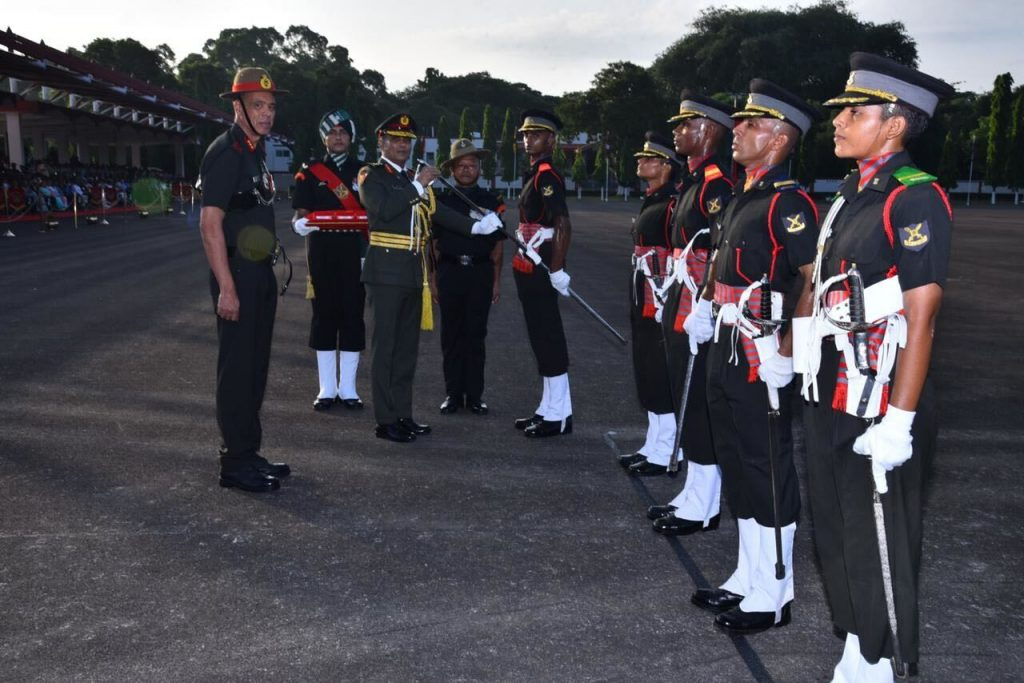
The course lasts approximately 49 weeks and includes:
- military tactics
- weapon training
- physical conditioning
- leadership exercises
- field craft
Training combines classroom instruction with intensive outdoor activity and field exercises.
Life After Commissioning
After successful training, cadets are commissioned as Lieutenants. Officers may be posted across various arms and services of the Army depending on organisational requirements.
Salary and Benefits
Starting pay: Level-10 pay matrix
In addition, officers receive:
- Military Service Pay
- accommodation or housing allowance
- medical care for self and family
- pension benefits (subject to tenure rules)
Career Path and Tenure
The entry grants a Short Service Commission, typically lasting 10 years, extendable up to 14 years. Some officers may later receive permanent commission depending on service requirements and performance.
Officers may also pursue:
- higher education programmes
- foreign training courses
- specialised military roles
Comparison With Other Officer Entries
| Entry | Written Exam | Age | Training Academy |
|---|---|---|---|
| NDA | Yes | After Class 12 | NDA + IMA |
| CDS | Yes | Graduate | IMA/OTA |
| Technical Entry | No | Engineering | IMA |
| NCC Special Entry | No | Graduate | OTA Chennai |
The NCC route is distinctive because it prioritises leadership experience over competitive exam performance.
Wider Role of NCC in India
The National Cadet Corps is among the world’s largest uniformed youth organisations, with millions of cadets across educational institutions. Its activities include:
- disaster relief support
- environmental campaigns
- community service
- national integration camps
The recruitment scheme strengthens the link between civilian education and military leadership development.
What Applicants Should Prepare
Candidates planning to apply should prepare in three areas:
Awareness
Follow national and international news and understand defence issues.
Communication
Practice clear speaking and group discussions.
Physical Readiness
Focus on endurance, stamina, and posture rather than bodybuilding.
Experts emphasise that the SSB evaluates natural personality traits rather than memorised answers.