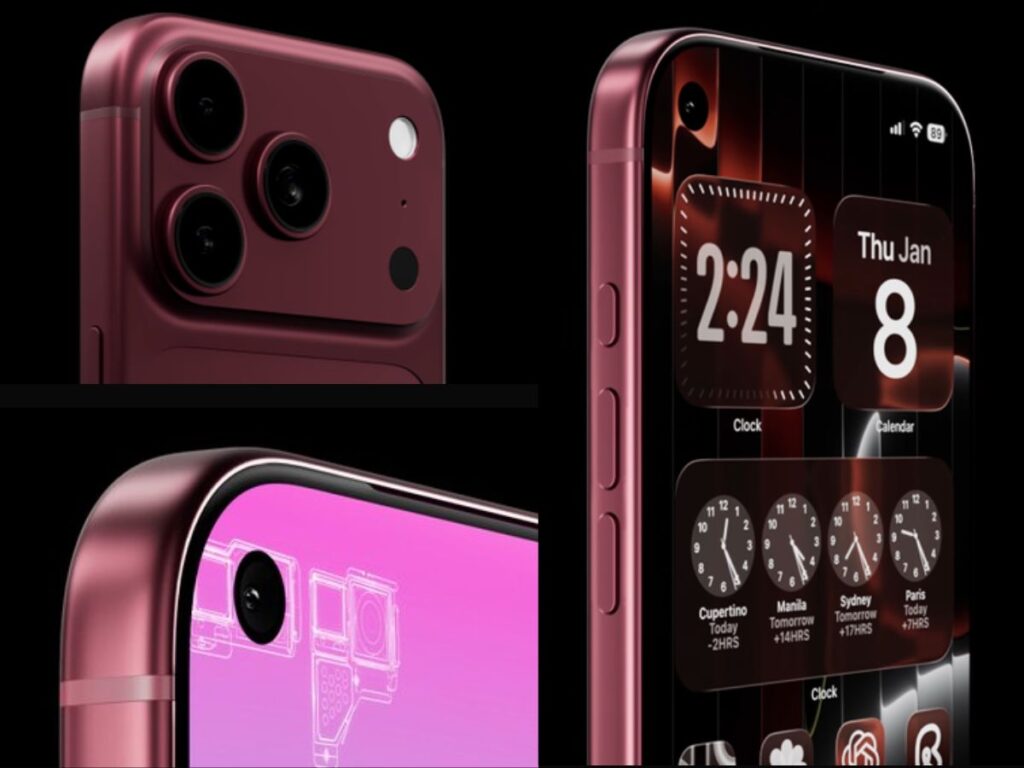

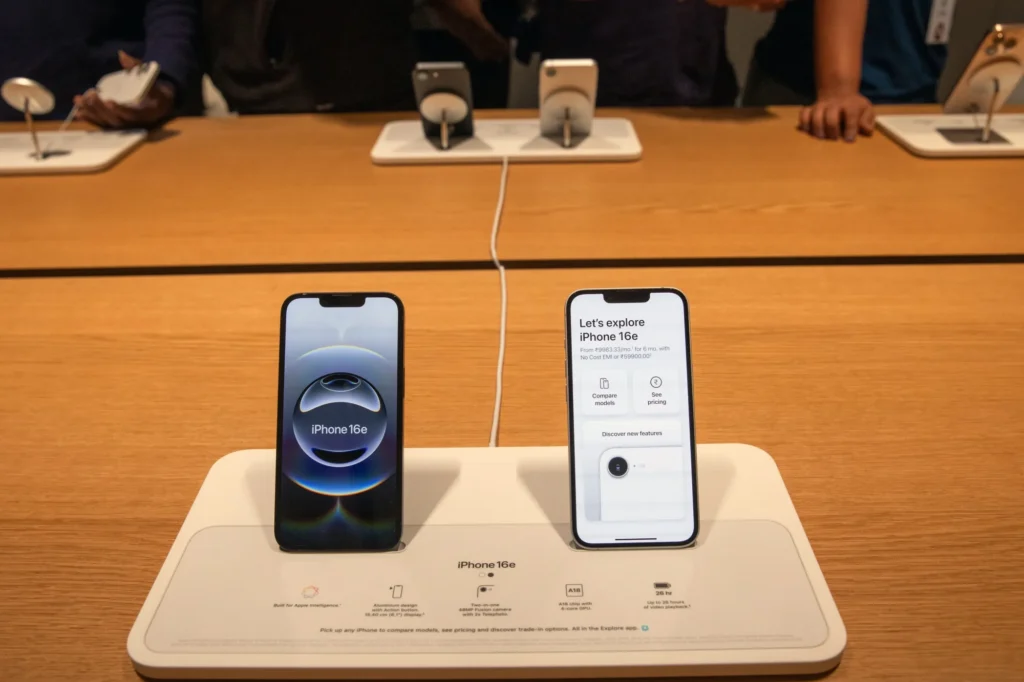
The Apple Special Event March 2026 has been officially scheduled, and industry analysts expect the company to unveil new consumer hardware, potentially including the iPhone 17e. The event, planned simultaneously across several global cities, may mark Apple’s most significant attempt yet to bring advanced processing and artificial-intelligence features to a lower-priced smartphone tier.
Apple Special Event March 2026
| Key Fact | Detail |
|---|---|
| Event date | March 4, 2026 |
| Expected device | iPhone 17e entry-level iPhone refresh |
| Strategic goal | Expand AI-capable iPhones |
| Market impact | Competition with mid-range Android phones |
More details will become clear when Apple executives present during the Apple Special Event March 2026. For now, analysts view the event as a key indicator of Apple’s broader strategy: expanding its ecosystem by making powerful devices accessible to more users worldwide.
What the iPhone 17e Is Expected to Be
The company has not publicly confirmed any product names. However, supply-chain tracking and analyst forecasts widely suggest the launch of the iPhone 17e during the Apple Special Event March 2026.
The “e-series” is Apple’s modern replacement for its former budget smartphone line. Instead of older hardware in a small body, Apple now delivers a contemporary design with certain premium features removed to reduce cost.
The expected positioning is clear:
a mainstream iPhone with strong performance but simplified hardware.
Technology analyst Ming-Chi Kuo wrote in research notes circulated to investors that Apple’s objective is to “place flagship-level silicon in a more affordable device category.” Analysts believe this strategy increases long-term software adoption rather than short-term hardware profits.
Unlike premium models, the device will likely prioritize durability and software longevity over experimental features.
Why the Apple Special Event March 2026 Matters
Expanding Apple Intelligence (Artificial Intelligence in Smartphones)
Artificial intelligence has become the smartphone industry’s next competitive battleground. Apple is developing on-device AI features, sometimes referred to by analysts as “Apple Intelligence,” allowing phones to process tasks locally instead of relying heavily on cloud servers.
These tasks include:
- image recognition
- writing assistance
- smart notifications
- voice processing
- personalized automation
According to CCS Insight chief analyst Ben Wood, lower-priced AI devices could reshape adoption patterns.
“If Apple introduces AI capability into its most affordable iPhone, the company significantly increases its long-term ecosystem reach,” Wood said in an industry briefing.
Unlike cloud-based AI platforms, on-device processing improves privacy because data stays on the phone. Apple has repeatedly emphasized privacy as a competitive advantage.
Expected Hardware Upgrades
The iPhone 17e is expected to focus primarily on performance improvements rather than design changes.
Likely upgrades include:
- next-generation processor
- improved neural-engine AI processing
- faster connectivity modem
- extended software support lifecycle
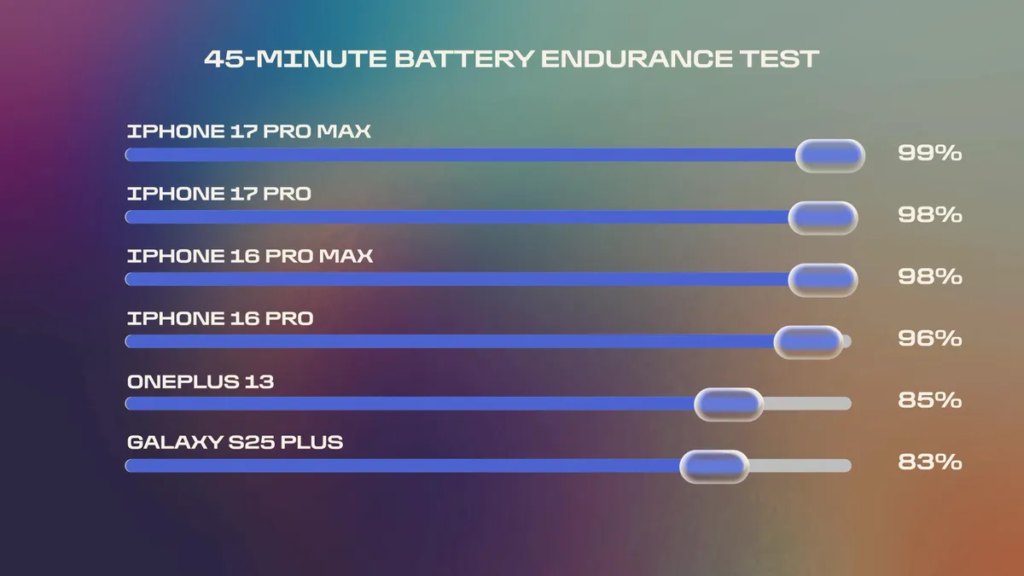
- improved battery efficiency
The processor may be the most important feature. Apple typically supports iPhones with software updates for five to seven years, far longer than many competitors.
The camera system is expected to remain simpler than premium iPhones. Analysts believe Apple intentionally limits camera hardware to preserve separation between budget and flagship devices.
Pricing Strategy and Competition
Industry researchers at Counterpoint Research say Apple faces growing competition from mid-range Android devices priced between $300 and $600.
Many of these phones now include high-refresh-rate displays and large batteries. Apple competes differently — through software support and performance longevity.
Neil Shah, vice president at Counterpoint Research, said:
“Apple’s growth opportunity is expanding the installed base. The lower the entry price, the larger the ecosystem.”
The iPhone 17e could serve first-time buyers, students, and users upgrading from much older devices.
Market Context: A Slower Smartphone Upgrade Cycle
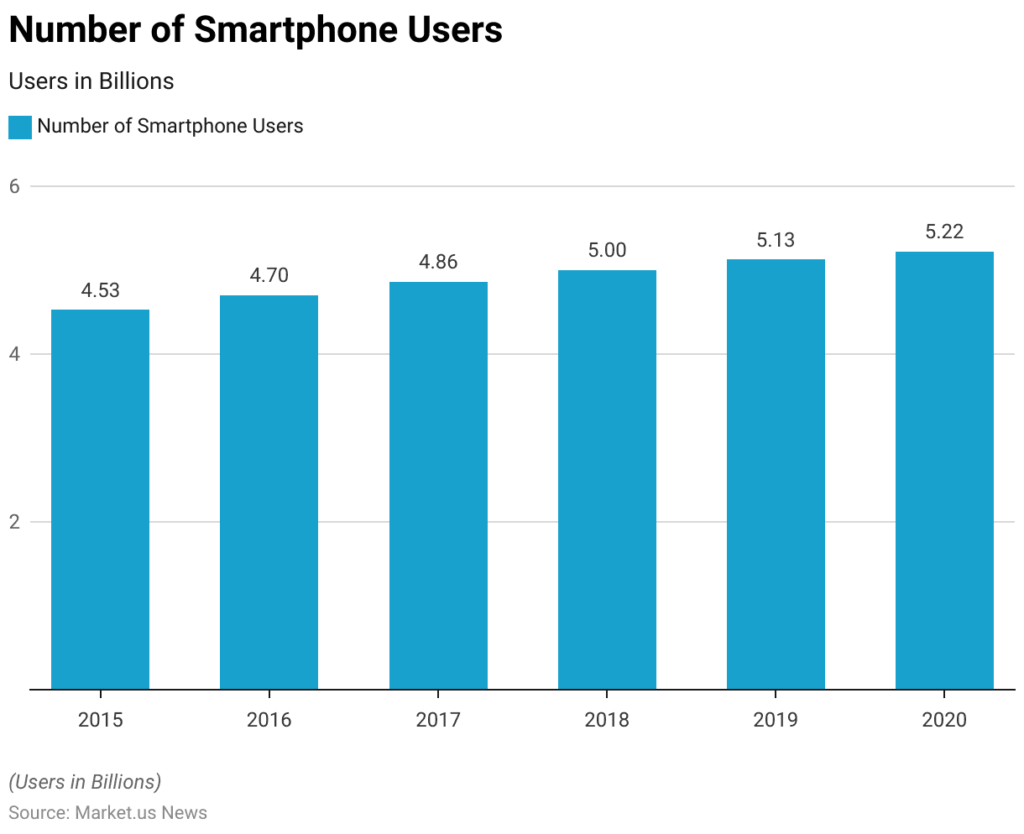
Global smartphone shipments have stabilized. Consumers are replacing devices less often because performance improvements have become incremental.
Research firms estimate:
- 2015 replacement cycle: about 24 months
- 2026 replacement cycle: about 40 months
Phones are no longer replaced because they are outdated; they are replaced when they stop functioning efficiently.
Manufacturers now compete on longevity instead of novelty.
Software and Ecosystem Impact
The Apple Special Event March 2026 is not only about hardware. Analysts believe software strategy is equally important.
Apple’s business model increasingly depends on services, including:
- App Store purchases
- music subscriptions
- cloud storage
- video streaming
- mobile payments
Lower-priced iPhones help expand users for those services.
Financial filings show Apple’s services segment has become one of its fastest-growing revenue sources over the past decade.
Impact on Global Markets
Emerging Economies
In countries where flagship devices remain expensive relative to income levels, a lower-priced iPhone can significantly expand adoption.
India, Southeast Asia, and Latin America represent the largest growth markets. Research firms estimate Apple’s market share in these regions remains far below its share in North America.
The iPhone 17e could act as an “entry gateway” device.
Education Sector
Spring hardware releases historically align with school purchasing cycles. Educational institutions often buy mid-priced laptops and smartphones for students and teachers.
A durable, long-support smartphone becomes attractive for institutional buyers.
Environmental and Sustainability Considerations
Apple has pledged carbon-neutral operations across its products in the coming decade. Lower-priced devices could support this goal if users keep phones longer.
Longer software support reduces electronic waste. Environmental researchers note that extending device lifespan is one of the most effective ways to reduce consumer electronics emissions.
The iPhone 17e’s emphasis on longevity may therefore serve both economic and environmental strategies.
What Apple Has Officially Said
Apple confirmed only a “special Apple experience” event will take place simultaneously in New York, London, and Shanghai. The company did not disclose product details.
Apple typically reveals hardware during keynote presentations led by senior executives. The company historically maintains strict secrecy until launch day.
Industry Reaction
Technology investors are watching closely. A lower-priced high-performance iPhone could shift the competitive balance in the global smartphone market.
Android manufacturers have recently focused on AI features, particularly from companies integrating large language models directly into phones.
If Apple delivers similar capabilities at a lower cost, analysts say adoption rates could accelerate.
What Could Happen Next
If announced at the Apple Special Event March 2026, the device would likely be available for purchase within weeks. Spring releases usually target broader consumer adoption rather than early adopters.
Analysts also expect additional devices at the event, potentially including updated tablets or laptops, though none are confirmed.
FAQ
Is the iPhone 17e officially confirmed?
No. Apple confirmed the event, not the product lineup.
Will it replace flagship iPhones?
No. Premium models will continue launching in the fall product cycle.
Why is this release important?
It could introduce advanced AI features to a lower price tier for the first time in Apple’s lineup.
When will it be available?
If announced, sales would likely begin shortly after the event in March.