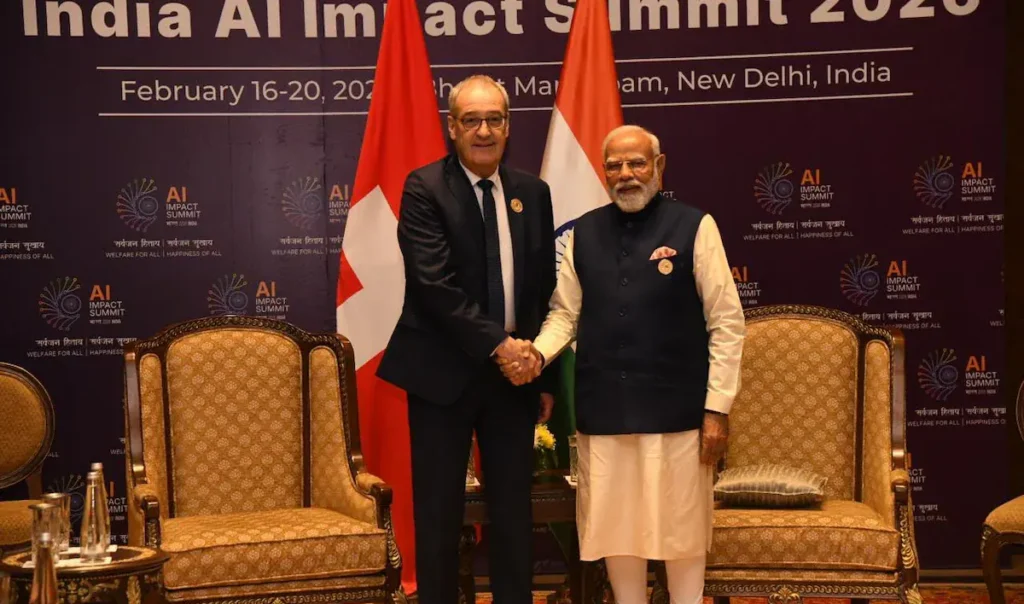

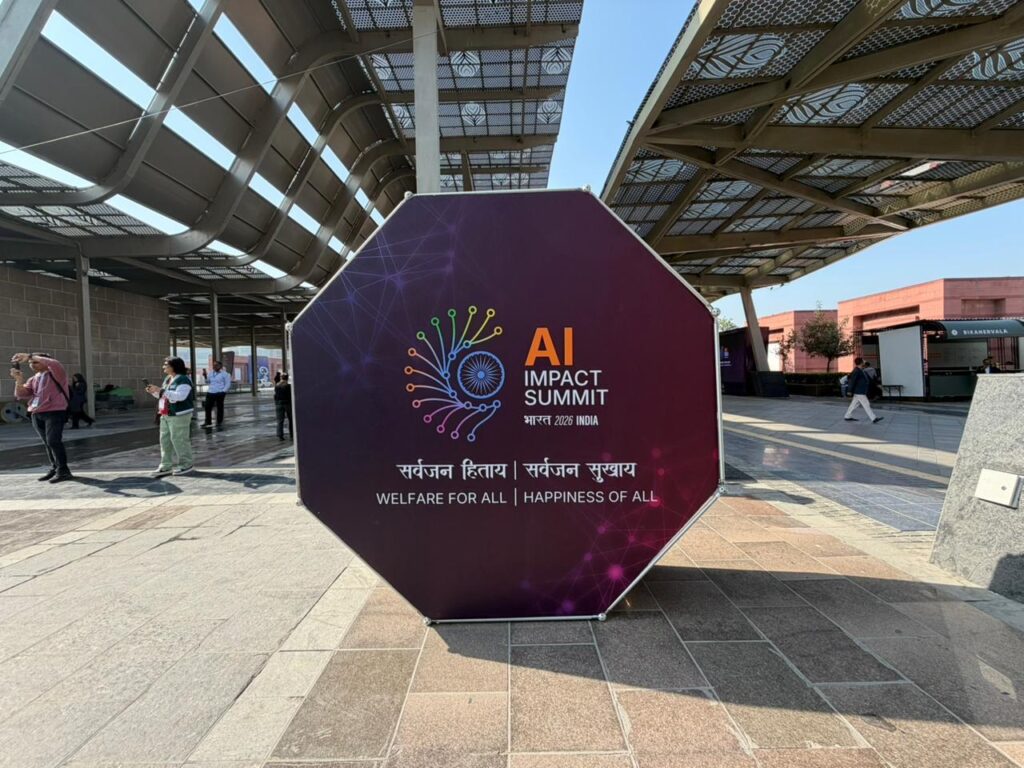
The AI Summit 2026 has prompted sweeping traffic restrictions across central parts of India’s capital, as international political leaders, technology executives, and security delegations converge on Bharat Mandapam at Pragati Maidan. Authorities imposed controlled road closures and convoy corridors throughout the week, warning commuters of delays, especially during peak travel hours and urging residents to follow the Delhi traffic advisory.
AI Summit 2026
| Key Fact | Detail |
|---|---|
| Event location | Bharat Mandapam convention complex, Pragati Maidan |
| Restriction timing | Morning and evening convoy windows daily |
| Affected areas | India Gate, Chanakyapuri diplomatic enclave, central secretariat zone |
Authorities said restrictions will gradually ease once international delegations depart. Officials indicated normal traffic patterns should resume immediately after the summit’s final sessions conclude, though residual congestion may persist briefly as security perimeters are dismantled.
Why the AI Summit 2026 Matters
The summit is one of India’s largest global technology gatherings to date. Senior government officials, foreign ministers, regulators, and chief executives from artificial-intelligence companies are attending. According to city authorities, the gathering required an extensive security perimeter comparable to major diplomatic summits.
Officials from the Delhi Police said thousands of personnel were deployed to coordinate motorcades moving between hotels, the diplomatic enclave, the airport, and the summit venue. The venue, Bharat Mandapam, previously hosted the Group of Twenty (G20) leaders’ meeting, making it a prepared high-security location.
A senior traffic officer said the restrictions were precautionary rather than emergency-based.
“Movement of high-level delegations requires secured corridors. Our goal is to ensure safety while keeping essential traffic moving,” the officer told reporters during a press briefing.
Urban policy analysts say the scale of planning reflects how international technology policy discussions now attract security arrangements once reserved primarily for political summits.
Timings and Convoy Movement Windows
Authorities identified two daily periods of maximum restriction when official motorcades travel between locations.
- Morning: approximately 7:30 a.m. to 10:00 a.m.
- Evening: approximately 5:00 p.m. to 9:00 p.m.
Police advised residents to avoid non-essential travel during these intervals. Public buses continued operating but faced diversions and delays.
Impact on Airport and Rail Travelers
Passengers traveling to Indira Gandhi International Airport and major railway stations were asked to leave early. Officials warned journeys could take significantly longer due to security checks and route closures.
Airlines also advised travelers to reach terminals earlier than usual. Taxi drivers reported that trips from central Delhi to the airport sometimes doubled in duration.
Roads and Areas Most Affected
The most restrictive perimeter surrounds the ceremonial and diplomatic core of New Delhi, particularly the India Gate and central government district.
Primary corridors restricted
- Sardar Patel Marg
- Janpath
- Akbar Road
- Teen Murti Marg
- Rajesh Pilot Marg
- Subramaniam Bharti Marg
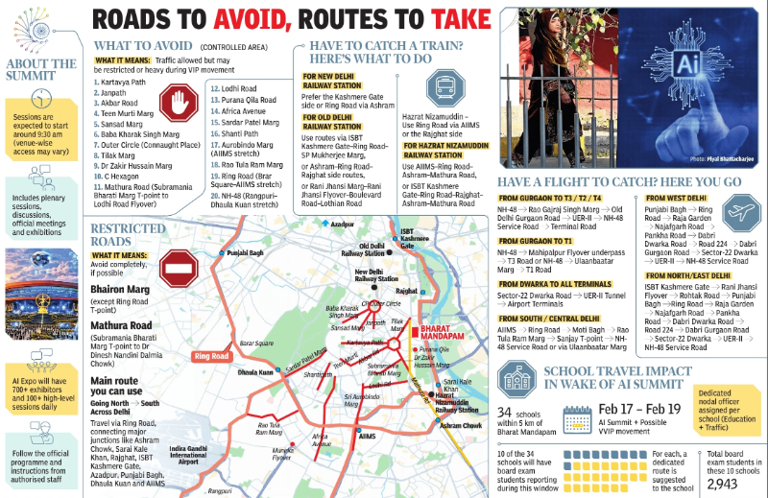
Additional congestion zones
- Mathura Road near Bharat Mandapam
- Bhairon Marg
- Africa Avenue
- Shanti Path (diplomatic enclave)
Transport planners note these corridors connect government ministries, embassies, and major employment centers. Their temporary closure forces vehicles onto already busy routes, particularly the Ring Road network.
Alternative Routes and Public Transport
Traffic officials recommended commuters use arterial routes outside the government district.
Suggested detours
- Ring Road
- Barapullah elevated corridor
- Aurobindo Marg
Authorities also urged residents to prioritize the Delhi Metro network, which runs independently of surface traffic congestion.
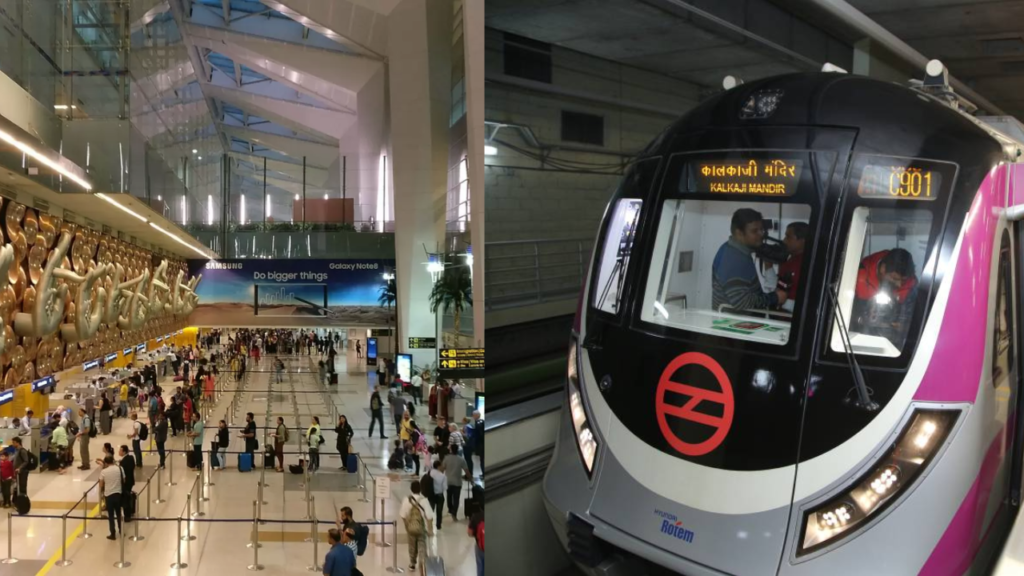
Transport researchers from the Indian Institute of Technology Delhi note that metro ridership increases sharply whenever the central administrative district experiences security restrictions. Large international events often accelerate temporary behavioral changes in commuting patterns.
Security Planning Behind the Restrictions
Large diplomatic gatherings require secured travel corridors known as “green routes.” These temporarily halt cross-traffic while official convoys pass.
Security specialists say such procedures follow global practice. Similar arrangements occur during United Nations assemblies in New York and international summits in European capitals.
A retired security official explained:
“Motorcades must travel without unpredictable interruptions. Even a minor traffic obstruction can become a security risk, so roads are cleared in advance.”
The diplomatic enclave of Chanakyapuri, where many embassies are located, therefore received heightened monitoring.
Global Context: Why Governments Care About AI
Beyond logistics, the summit addresses a rapidly evolving policy question — how countries should regulate artificial intelligence systems. Governments are debating issues including algorithmic bias, data privacy, autonomous decision-making, and safety testing.
Artificial intelligence now affects banking, health care, defense planning, and public administration. Economists warn its economic influence may rival the industrial revolution or the internet era.
Technology researchers say international coordination is necessary because AI software crosses national borders easily. Without common standards, companies may face conflicting rules across different jurisdictions.
Policy experts describe the meeting as part of an emerging effort to establish global governance frameworks similar to aviation safety rules or nuclear oversight agreements.
Economic and Daily Life Impact
The restrictions affected office commuters, delivery services, and school transportation. Ride-hailing drivers reported longer trip durations, and several businesses near the central administrative district saw fewer walk-in customers.
Street vendors and shop owners around government offices said weekday sales dropped during convoy windows. However, hotels and restaurants hosting delegations saw increased business.
Economists say such events typically produce mixed local economic effects — short-term disruption but long-term visibility.
Public Reaction and Civic Experience
Residents expressed both frustration and cautious support. Office workers reported extended commuting times, while some welcomed the international attention on technology policy.
Parents of schoolchildren reported adjusting schedules to avoid peak convoy periods. Delivery companies temporarily rescheduled routes.
Urban sociologists note large security operations often reveal weaknesses in metropolitan infrastructure planning, especially in cities with mixed residential and administrative districts like New Delhi.
India’s Technology Strategy
Hosting the summit is also part of India’s broader economic policy. The government has prioritized digital infrastructure, semiconductor manufacturing, and startup investment in recent years.
Analysts say the country aims to position itself as a neutral policy forum between Western regulatory models and more centralized digital governance systems elsewhere.
International conferences provide diplomatic influence beyond traditional political summits. By convening regulators and companies, a host nation can shape technical standards and future markets.
FAQ
Will public transport operate normally?
Yes. Metro rail and most buses continue running, though surface bus routes may be diverted.
How long will restrictions last?
Only during the summit period and primarily during convoy travel windows each day.
Are schools and offices closed?
No blanket closure has been announced, but many organizations advised flexible working hours.
Should commuters avoid central Delhi entirely?
Authorities recommend avoiding non-essential trips near Bharat Mandapam and the diplomatic enclave during peak security periods.