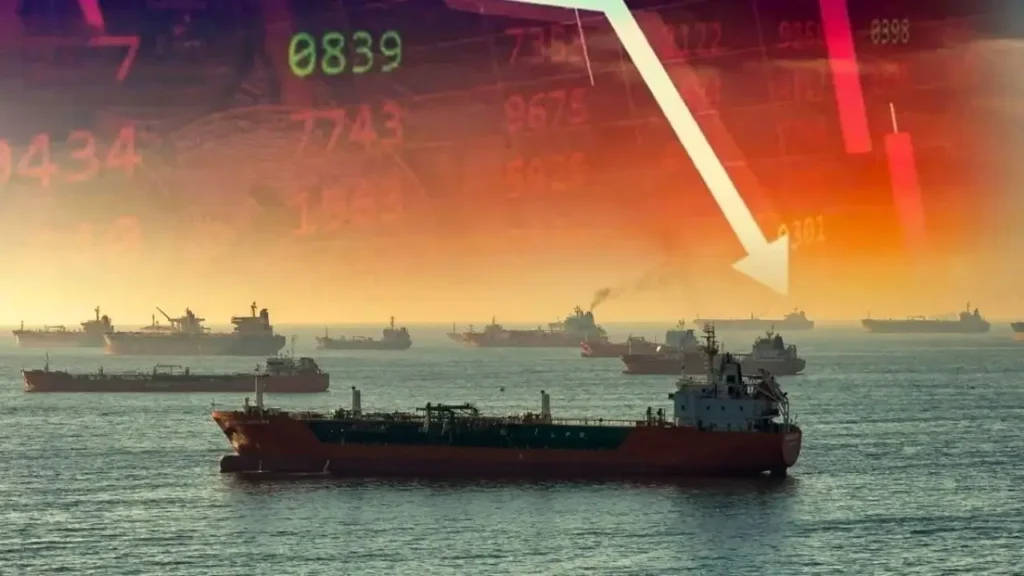

The Sensex crash sends shockwaves through markets has become one of the most talked‑about financial events in early 2026. When India’s benchmark index experiences sudden and steep declines, it doesn’t just affect stock prices, it shakes investor confidence at every level. The recent sell‑off wiped out significant market wealth and triggered sharp volatility across sectors. Understanding what caused this drop and how it impacts investors is essential for anyone with exposure to Indian equities. Over the last few weeks, the BSE Sensex has seen multiple sharp falls, with declines recorded in the thousands of points, pushing both the Sensex and Nifty 50 into corrective territory. For many retail and institutional investors, the Sensex crash sends shockwaves through markets because it goes beyond short‑term losses it reflects deeper global uncertainties and market stress. Trading patterns have shown persistent foreign institutional investor (FII) selling, currency weakening, and crude oil price spikes, creating a perfect storm of negative sentiment. These factors have disrupted the broad market rally of the past year and forced many investors to rethink their strategies in light of the continuing turbulence on Dalal Street.

When we say the Sensex crash sends shockwaves through markets, we mean that the effects are widespread and extend well beyond a single trading session. In early March 2026, the Sensex plunged sharply at times falling more than 2,000 points in a single session dragging the Nifty 50 below the psychologically important 24,000 level and wiping out billions of rupees in wealth for investors. This stress on the markets was driven largely by escalating geopolitical tensions involving key global powers in the Middle East, which triggered a spike in crude oil prices to multi‑year highs. India, heavily dependent on oil imports, felt the impact through rising costs and inflation concerns. At the same time, foreign institutional investors accelerated selling, reallocating funds away from Indian equities toward safer assets. This combined pressure took away momentum from recent market gains, magnified investor fear, and disrupted liquidity across sectors. As a result, indices that had been trending upward for months suddenly reversed course, testing critical support levels and prompting fresh volatility. Investors who had expected steady growth were confronted with rapid shifts in sentiment, making it clear that short‑term geopolitical and economic developments can have outsized effects on market psychology and asset prices.
Sensex Crash Sends Shockwaves Through Markets
| Indicator | Recent Movement |
|---|---|
| Sensex Level (11 Mar 2026) | ~76,863.71, down ~1,342 points |
| Nifty 50 Level | ~23,866.85, down ~394 points |
| One‑Month Trend | Declined ~8% from early March levels |
| Wealth Lost | ₹8–₹22+ lakh crore (cumulative decline) |
| Major Drivers | Geopolitical tensions, oil price spikes, FII selling |
| Currency Impact | Indian rupee weakened to ~92 against USD |
| Sector Reaction | Banks, auto, financials saw sharp losses |
What Triggered the Sensex Crash
The recent crash didn’t occur in isolation it was the result of a confluence of domestic and global forces that heightened risk aversion among traders and investors:
1. Geopolitical Tensions
The most prominent trigger was the escalation of conflict in the Middle East, especially involving the United States, Iran, and Israel. Heightened fears of broader instability pushed investors away from risk assets like equities and toward safe‑haven instruments such as gold and the US dollar. This shift in sentiment directly affected markets worldwide, including India.
2. Surge in Crude Oil Prices
As geopolitical risk intensified, crude oil prices jumped to levels not seen in years. India is one of the world’s largest crude oil importers, and higher oil prices translate into increased import bills and pressure on the current account deficit. This, in turn, fuels inflationary expectations and raises costs for businesses that rely on oil and energy inputs, denting earnings forecasts across sectors.
3. Foreign Institutional Investor (FII) Selling
Foreign funds are major participants in Indian markets, and their sudden shift out of equities amplified the downward pressure. With global uncertainty rising, many FIIs reduced positions in emerging markets like India, tightening liquidity and contributing to downward momentum.
4. Currency Weakness
The Indian rupee weakened to around 92 per US dollar, reflecting capital outflows and rising global uncertainty. A weaker currency makes imports more expensive and can add to inflation, further unsettling markets already grappling with rising costs and cost pressures.
5. Profit Booking and Sector Pressures
After extended gains in 2025, some investors began booking profits as geopolitical news worsened. This was especially visible in banking and IT stocks that had previously led market gains but saw increased selling pressure as sentiment soured.
Sector Performance and Market Breadth
Not all sectors reacted equally to the downturn, but several key segments felt the brunt of the sell‑off:
- Banking and Financials: This sector led declines as investors priced in higher risks to credit growth and broader economic uncertainty. Loss of confidence and outsized selling by foreign funds hit bank stocks particularly hard.
- Automobiles and Consumer Cyclicals: Demand concerns and cost pressures from elevated oil prices weighed on these sectors, prompting investors to trim exposure.
- Energy and Commodities: While crude oil companies sometimes benefit from higher prices, overall energy stocks also felt selling pressure as macro fears overshadowed potential gains.
- Defensive Plays: Some defensive sectors such as utilities and certain commodities showed resilience or modest gains as investors sought stability amid volatility.
What This Means for Investors
When the Sensex crash sends shockwaves through markets, it forces a reassessment of risk, strategies, and time horizons. Here’s what investors should consider moving forward:
- Stay Calm and Avoid Panic Selling: Markets are cyclical, and sharp declines are often followed by recoveries. Selling in panic can lock in losses and prevent participation in eventual rebounds.
- Re‑Assess Risk Tolerance: Periods of turbulence are good opportunities to revisit your risk profile. If sudden market moves are too stressful or cause second‑guessing, it may be time to adjust allocations.
- Diversify Across Asset Classes: Diversification remains one of the best defenses against market volatility. Having exposure to bonds, commodities, and non‑correlated assets can help cushion downturns in equities.
- Focus on Fundamentals, Not Headlines: Broad sell‑offs often impact many stocks indiscriminately. Quality companies with strong balance sheets, sustainable earnings, and defensible market positions tend to recover faster.
- Use Volatility to Your Advantage: For long‑term investors with cash reserves, downturns can provide opportunities to add fundamentally sound stocks at lower valuations.
Read More:-
LPG Production Up By 10%! Refineries Working at Full Capacity Sparks Major Energy Sector Buzz
FAQs
1. What Are the Main Reasons Behind the Sensex Crash in 2026?
The crash was primarily driven by rising geopolitical tensions, surging crude oil prices, foreign investor selling, and a weakening Indian rupee, all of which disrupted market sentiment and led to widespread selling.
2. Is This Decline a Market Crash or Correction?
While some declines reached crash‑like proportions, many analysts describe the moves as a deep correction driven by external shocks rather than a structural market breakdown.
3. How Much Wealth Was Lost During the Sell‑Off?
Market reports indicate that investor wealth across equities may have fallen by ₹8 lakh crore to over ₹22 lakh crore cumulatively during the prolonged volatility.
4. Should Retail Investors Sell Their Holdings Now?
Panic selling is generally discouraged. Retail investors should focus on long‑term fundamentals and only make strategic changes if their financial goals or risk profiles have shifted.