
Road accidents are something we all hope never to experience, yet they remain an unfortunate reality on Indian roads. Every day, thousands of families receive sudden phone calls that change everything in a matter of seconds. Beyond the emotional shock, there is another harsh reality that quickly follows medical expenses. Emergency hospitalization, surgeries, ICU charges, diagnostic scans, and medicines can easily push bills into lakhs within the first few days. This is exactly why the 2026 Cashless Treatment Scheme has become such a crucial development. The 2026 Cashless Treatment Scheme ensures that accident victims receive immediate medical care without worrying about upfront payments or hospital deposits. If you drive regularly, ride as a passenger, or even walk on busy roads, understanding the 2026 Cashless Treatment Scheme is essential. It is designed to protect victims during the most critical time after a crash, often referred to as the golden hour. Instead of families scrambling to arrange funds, the scheme allows treatment to begin instantly. That shift alone has the potential to save thousands of lives every year.
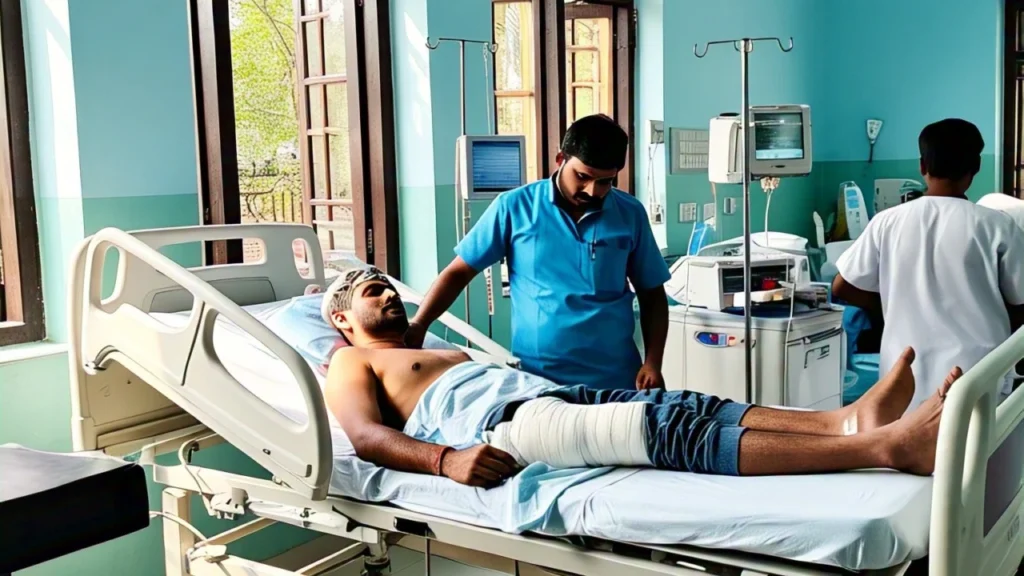
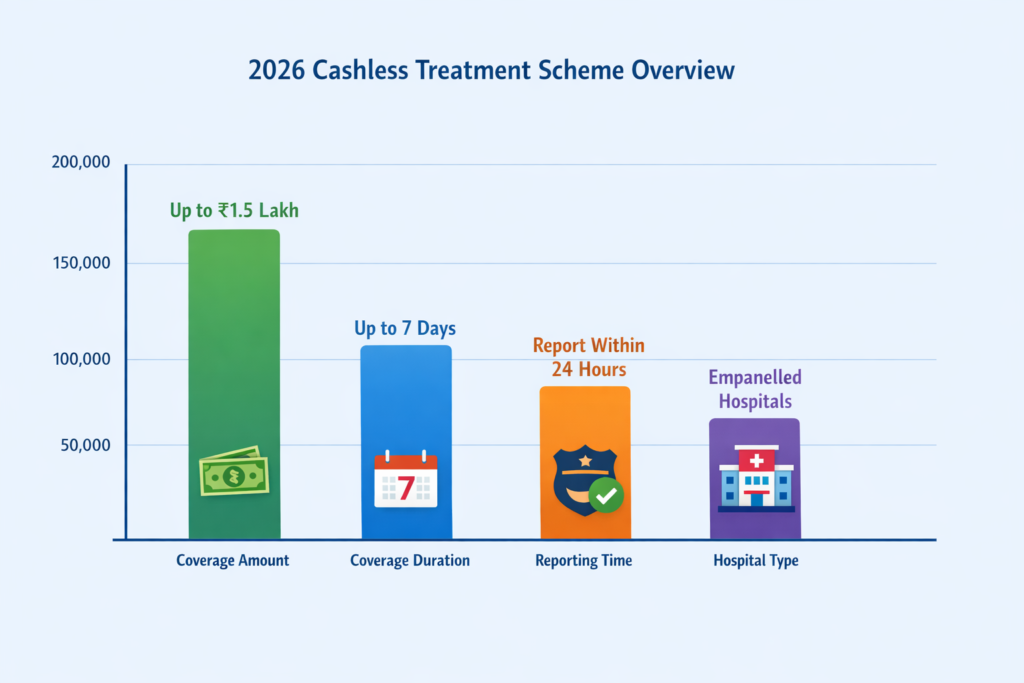
The 2026 Cashless Treatment Scheme is a nationwide initiative created to provide completely cashless medical treatment to victims of road accidents involving motor vehicles. It offers coverage of up to ₹1.5 lakh per injured person for medical care provided within seven days of the accident. The accident must be reported to the police within 24 hours, and treatment must take place at a designated or empanelled hospital under the scheme. The purpose is simple but powerful. No accident victim should lose valuable time because of financial barriers. The scheme operates under legal provisions of the Motor Vehicles Act and is funded through the Motor Vehicle Accident Fund. This fund receives contributions from insurance mechanisms and government support, ensuring sustainability. By combining healthcare access with financial protection, the 2026 Cashless Treatment Scheme aims to transform emergency response across the country.
2026 Cashless Treatment Scheme
| Feature | Details |
|---|---|
| Scheme Name | 2026 Cashless Treatment Scheme |
| Coverage Amount | Up to ₹1.5 lakh per victim |
| Coverage Duration | Up to 7 days from accident |
| Eligibility | All motor vehicle road accident victims |
| Reporting Requirement | Police report within 24 hours |
| Hospitals Covered | Empanelled designated hospitals |
| Fund Source | Motor Vehicle Accident Fund |
| Implementation Authority | National Health Authority and State Agencies |
| Legal Basis | Motor Vehicles Act Section 162 |
It has the potential to reduce preventable deaths, ease financial distress, and improve the overall efficiency of trauma care systems. Accidents may be unpredictable, but financial ruin does not have to be. This scheme stands as a reminder that timely policy intervention can truly save both lives and livelihoods.
What Is the Cashless Treatment Scheme
- At its core, the cashless treatment scheme is a government backed safety net. It ensures that hospitals begin treatment immediately without asking families for deposits or advance payments. Once the accident is reported and verified, hospitals treat the patient and later claim reimbursement through a centralized digital platform.
- This system shifts the financial burden away from the victim at the most critical moment. In the past, families often faced delays because hospitals required admission deposits. Those delays could cost lives. By removing that obstacle, the 2026 Cashless Treatment Scheme strengthens emergency healthcare delivery.
- India continues to report over 1.5 lakh road fatalities annually. Experts consistently highlight that timely trauma care significantly improves survival rates. The scheme directly addresses this challenge by guaranteeing immediate access to funds for early treatment.
Who Is Eligible For The Scheme
One of the strongest features of the scheme is its inclusive nature. Any person injured in a road accident involving a motor vehicle on Indian roads qualifies. This includes drivers, passengers, pedestrians, and even cyclists if a motor vehicle is involved in the accident. There are no income limits, no age restrictions, and no requirement to hold private health insurance. However, two important conditions must be met.
- First, the accident must be reported to the police within 24 hours.
- Second, the injured person must be admitted to a hospital empanelled under the scheme.
Once these conditions are fulfilled, treatment costs up to ₹1.5 lakh are covered for seven days from the date of the accident. This structure makes the 2026 Cashless Treatment Scheme accessible to people across economic backgrounds.
How Does Cashless Treatment Work
The working mechanism of the scheme is straightforward but carefully structured.
- The process begins when the accident is reported to the police. This generates an official accident record, often digitized through an electronic reporting system. Next, the victim is taken to an empanelled hospital. Upon admission, hospital staff verify accident details through an integrated digital platform connected to national health authorities. Once verification is complete, treatment begins immediately without any demand for upfront payment.
- After providing medical care, the hospital submits treatment details and claims reimbursement from the Motor Vehicle Accident Fund. This digital coordination between police, hospitals, and health authorities reduces paperwork delays and prevents misuse. The 2026 Cashless Treatment Scheme relies heavily on technology to ensure transparency and efficiency.
Financial Benefits For Families
Anyone who has faced a medical emergency understands how overwhelming hospital bills can be. A single surgery combined with ICU stay and diagnostic tests can easily exceed ₹1 lakh within days. For middle class families, this can mean loans, selling assets, or exhausting savings meant for education or retirement.
- The 2026 Cashless Treatment Scheme acts as a financial shield during that vulnerable period. With coverage of up to ₹1.5 lakh, families gain breathing space to focus on recovery rather than money.
- Another significant aspect is the Good Samaritan provision. Individuals who help transport accident victims to hospitals are legally protected and may receive incentives. This encourages faster response from bystanders, which improves survival rates during the golden hour.
- Healthcare inflation continues to rise in 2026, and trauma care costs are no exception. Against this backdrop, the 2026 Cashless Treatment Scheme provides crucial financial relief.
Implementation And Monitoring
- Successful nationwide schemes depend on coordination. The National Health Authority oversees the digital infrastructure, claim processing systems, and hospital empanelment. State agencies work alongside local police departments and hospitals to ensure smooth execution.
- Hospitals participating in the scheme must follow defined treatment guidelines. Claims are verified and periodically audited to prevent fraud. Digital integration between accident reporting systems and hospital portals strengthens accountability.
- Monitoring committees review progress, address operational challenges, and recommend improvements. Continuous evaluation is important to maintain the long term sustainability of the 2026 Cashless Treatment Scheme.
Why This Scheme Matters
Road accidents are unpredictable. Financial capability should never determine whether someone receives timely medical care. The 2026 Cashless Treatment Scheme bridges the gap between emergency need and financial preparedness. By guaranteeing immediate hospital admission without deposit requirements, it encourages quicker treatment decisions. Early medical intervention reduces complications, lowers mortality rates, and often shortens recovery time. From a broader perspective, it reduces long term economic stress on families and limits the social burden of untreated injuries. In a country with rapidly increasing vehicle ownership and urban traffic congestion, such reforms are not optional. They are necessary. The 2026 Cashless Treatment Scheme represents a practical step toward strengthening road safety and trauma care systems nationwide.
Challenges And What Lies Ahead
- While the scheme is promising, challenges remain. Awareness is still limited in certain regions. Many citizens are unaware that such protection exists.
- Hospital empanelment in remote and rural areas needs further expansion to ensure equal access. Administrative delays or documentation errors could also affect timely reimbursement if not managed properly.
- However, ongoing digital upgrades and policy refinements are expected to strengthen implementation. Public awareness campaigns and hospital onboarding efforts will likely expand coverage further in the coming years.
The 2026 Cashless Treatment Scheme marks a significant change in India’s approach to emergency road accident care. It prioritizes life over logistics and ensures that treatment decisions are not delayed because of financial concerns. For drivers, commuters, and families across the country, understanding this scheme is more than useful. It is empowering. In an environment where medical expenses can escalate rapidly, having a structured safety net offers peace of mind. As awareness grows and implementation becomes stronger, the long-term impact of the 2026 Cashless Treatment Scheme could be profound.
Read More:-
Free Gas Cylinder Yojana 2026: Full Application Process, Required Documents & Eligibility Revealed
FAQs on 2026 Cashless Treatment Scheme
What Is the Maximum Coverage Under The 2026 Cashless Treatment Scheme
The scheme provides coverage of up to ₹1.5 lakh per accident victim for medical treatment during the first seven days after the accident.
Is Health Insurance Required To Avail The Scheme
No. The scheme applies regardless of whether the injured person has private health insurance.
What Happens If The Accident Is Not Reported Within 24 Hours
Failure to report the accident within 24 hours may affect eligibility for cashless benefits under the scheme.
Are Private Hospitals Included In The Scheme
Yes, private hospitals can participate, but only if they are officially empanelled under the program.