
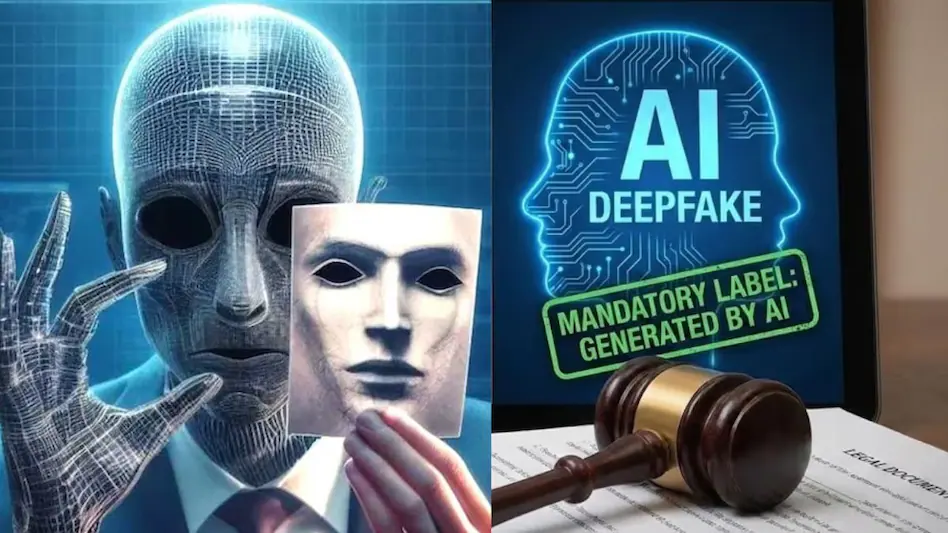
Governments across the United States and other major economies are introducing stricter AI Deepfake Rules, aiming to curb misinformation, protect individuals from impersonation, and increase transparency on social media platforms. The measures require clearer labeling of synthetic content, faster removal of harmful media, and greater accountability for technology companies, marking one of the most significant regulatory shifts in digital media governance.
Lawmakers say the rules respond to a rapid rise in manipulated audio, video, and images powered by artificial intelligence. Technology companies and creators now face new compliance responsibilities that could reshape how online content is produced, labeled, and distributed.
AI Deepfake Rules
| Key Fact | Detail |
|---|---|
| Mandatory labeling | Platforms must disclose AI-generated or materially altered content in many jurisdictions |
| Faster takedowns | Some laws require removal of unlawful deepfakes within hours of notice |
| Election protections | Several states criminalize deceptive deepfakes targeting voters |
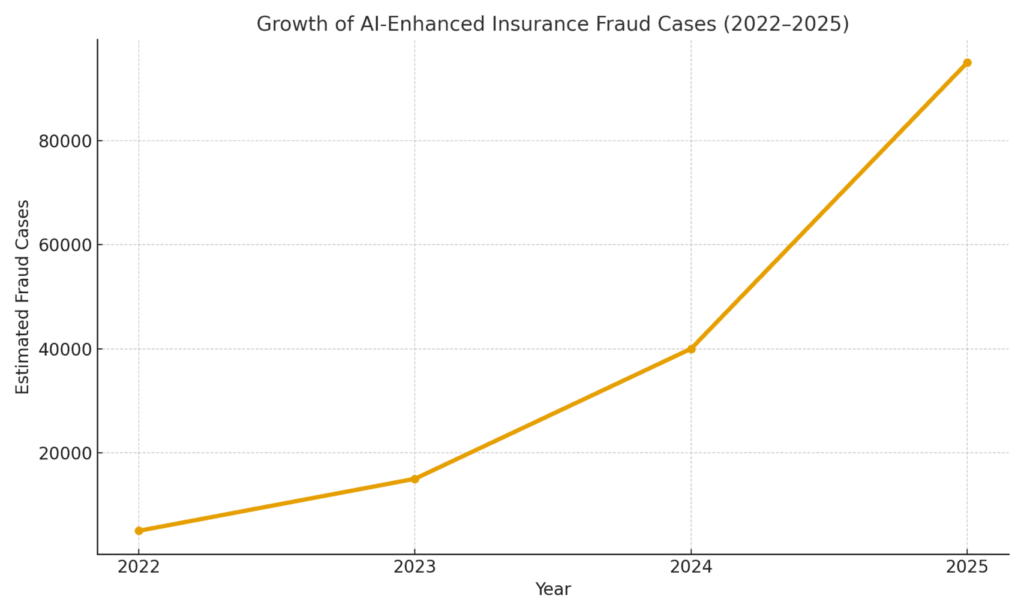
| Consumer fraud link | AI impersonation scams have increased sharply in recent years |
Why AI Deepfake Rules Are Expanding
Deepfakes use artificial intelligence systems to generate realistic images, audio, or video that appear authentic but are fabricated. The technology has improved rapidly with advances in generative AI, including tools capable of cloning voices, swapping faces in video, and generating entirely synthetic human likenesses.
The Federal Trade Commission (FTC) has warned that AI-generated impersonations are contributing to financial fraud. In public guidance, the agency said companies deploying AI tools can be held liable if their systems enable deceptive practices that harm consumers.
Meanwhile, the European Commission incorporated transparency obligations into the Digital Services Act (DSA) and the Artificial Intelligence Act (AI Act). These frameworks require disclosure when users encounter AI-generated content and impose significant fines for systemic failures.
“These technologies are advancing faster than public awareness,” said a policy analyst at the Council on Foreign Relations during a recent forum on digital governance. “Regulators are trying to preserve trust while allowing innovation.”
Impact on Social Media Platforms
Labeling and Transparency Requirements
Under evolving AI Deepfake Rules, major platforms such as Meta Platforms Inc., YouTube, and TikTok must implement labeling mechanisms for realistic AI-generated or significantly altered content.
YouTube announced that creators are required to disclose synthetic or altered media that could mislead viewers, especially if it depicts real people. Content that fails to comply may face removal or account penalties.
Meta has introduced AI content labels across Facebook and Instagram. The company says it uses metadata signals and detection systems to identify likely synthetic media, although executives acknowledge detection is not perfect.
The European Union’s Digital Services Act requires large platforms to assess risks related to manipulated media and election interference. Companies that violate the rules may face fines of up to 6% of global annual revenue.
Automated Detection and Moderation
Platforms are investing heavily in AI-driven moderation systems. These tools attempt to detect manipulated visuals, voice cloning, and synthetic speech patterns.
However, researchers at institutions including the Massachusetts Institute of Technology (MIT) have found that detection systems often struggle as generative models improve. This creates an ongoing “arms race” between synthetic content creators and detection technologies.
Industry executives argue that full automation is not feasible. Many platforms rely on a mix of automated detection and human review, especially in high-risk areas such as political content.
What the Rules Mean for Influencers and Creators
Influencers, advertisers, and independent creators face growing obligations to disclose when AI tools materially alter images, voices, or performances. This is especially relevant in branded content and political messaging.
The FTC has reiterated that deceptive endorsements or undisclosed synthetic alterations may violate consumer protection laws. Creators who fail to disclose the use of AI in advertising partnerships could face enforcement actions.
Some talent agencies have begun adding contract clauses addressing AI usage and digital likeness rights. These provisions clarify whether a creator’s voice or image may be replicated using artificial intelligence.
Legal experts say creators should document how AI tools are used in production. “Transparency protects both the audience and the creator,” said a media law professor at Georgetown University. “Clear disclosures reduce legal exposure.”
Election Integrity and Political Advertising
One of the strongest drivers behind AI Deepfake Rules has been concern over election interference. Several U.S. states have enacted laws that prohibit distributing deceptive AI-generated content about candidates within defined pre-election windows.
The National Conference of State Legislatures reports that states including California, Texas, and Minnesota have adopted statutes addressing election-related synthetic media. Violations can carry civil or criminal penalties.
Federal lawmakers have proposed bills that would require disclaimers on AI-generated political advertisements. Although comprehensive federal legislation has not yet passed, hearings in both the House and Senate reflect bipartisan concern.
Internationally, countries such as India and members of the European Union have introduced election-specific AI guidance, requiring transparency during campaign periods.
Consumer Protection and Financial Fraud
Beyond elections, AI Deepfake Rules increasingly target fraud. The FTC has reported growth in scams involving AI-generated voice cloning, where criminals impersonate family members or executives to request urgent payments.
Banks and financial institutions are responding by strengthening identity verification processes. Some institutions are developing biometric safeguards to counter synthetic voice fraud.
The World Economic Forum (WEF) has identified AI-enabled deception as a systemic risk to financial systems. Its recent risk assessments warn that deepfake scams could undermine confidence in digital banking if left unchecked.
Free Speech and Civil Liberties Concerns
While policymakers emphasize protection, civil liberties groups have raised concerns about overreach. Organizations such as the American Civil Liberties Union (ACLU) argue that overly broad laws could chill satire, parody, or artistic expression.
Legal scholars note that U.S. courts traditionally provide strong First Amendment protections. Regulations must be narrowly tailored to address fraud or harm without suppressing lawful speech.
“This is a constitutional balancing act,” said a constitutional law expert at Columbia University. “The challenge is defining harmful deception without capturing legitimate creative work.”
The Business Impact on Technology Companies
Compliance costs are rising. Platforms must invest in content moderation teams, AI detection tools, and transparency reporting systems.
Technology firms also face reputational risks. A single viral deepfake incident can undermine user trust and attract regulatory scrutiny.
At the same time, AI offers commercial benefits. Companies use generative AI for automated captions, accessibility tools, and creative enhancements. Industry groups stress that responsible governance should not discourage beneficial innovation.
Executives from major platforms have called for clearer global standards to avoid fragmented national regulations. Cross-border coordination remains limited, though discussions continue through the G7 and the Organisation for Economic Co-operation and Development (OECD).
International Coordination and Diverging Standards
Countries are taking varied approaches. The European Union’s AI Act classifies certain AI systems as “high risk,” imposing strict compliance requirements. The United Kingdom has focused on sector-specific guidance rather than comprehensive AI legislation.
In Asia, regulatory models differ widely. Some governments emphasize misinformation control, while others prioritize economic development of AI industries.
The United Nations has called for global dialogue on artificial intelligence governance. However, experts say binding international standards remain unlikely in the near term.
Looking Ahead
Regulators are expected to refine AI Deepfake Rules as generative technologies evolve. Lawmakers continue debating how to define harmful manipulation without restricting satire, parody, or artistic experimentation.
Detection technologies are improving, but experts caution that perfect identification of synthetic content may be unattainable. Transparency requirements, rather than outright bans, may remain the primary regulatory tool.
For creators and platforms, compliance systems are now essential. As one technology policy analyst told lawmakers during a Senate hearing, “Digital trust will depend on transparency.”
Oversight is likely to intensify as artificial intelligence becomes more integrated into everyday communication. Policymakers, industry leaders, and civil society groups are preparing for further adjustments as technology advances.
FAQ
What are AI Deepfake Rules?
They are laws and platform policies regulating AI-generated or manipulated media, often requiring disclosure and prohibiting deceptive or harmful uses.
Do influencers have to label AI-generated content?
In many jurisdictions and under platform rules, yes—especially if the content depicts real people or could mislead audiences.
Are all deepfakes illegal?
No. Many laws target specific harms such as fraud, election interference, or non-consensual explicit imagery.
Can platforms be fined for non-compliance?
Yes. In the European Union, fines under the Digital Services Act can reach 6% of global annual revenue.
How can consumers protect themselves?
Experts recommend verifying unusual requests, checking official sources, and reporting suspected synthetic scams to authorities.